

Sleep health quietly shapes daily energy, mood and long-term resilience. For many people the path to better rest feels overwhelming — too many tips, too many devices, and conflicting advice. This piece shows how to reclaim sleep with realistic lifestyle changes you can maintain. Meet Maya, a marketing manager who struggled with irregular hours and morning fatigue. By sequencing small daytime changes, adjusting meals and movement, and redesigning her bedroom, she moved from fragmented nights to a steady 7–8 hours of restorative sleep over a few months. Her journey illustrates how habits across the day — not just the hour before bed — determine sleep quality. Evidence from public health guidance and clinical practice highlights the same theme: consistent sleep timing, daytime activity, mindful stress management and a sleep-conducive environment produce measurable gains. Along the way Maya tested a variety of supports — from breathing exercises branded as NightHarmony techniques to a simple mattress from a small company called RestWell — and learned which elements were sustainable. This article breaks down the most effective, science-aligned changes for 2025 readers, pairs them with practical examples, and points to reliable resources for deeper exploration. Expect clear steps, realistic timelines, and a thread of personal insight you can adapt to your life.
En bref — key takeaways: Stick to a sleep schedule; prioritize 7+ hours most nights; adjust daytime habits like movement and meals; use calming bedroom cues and limit screens; adopt one manageable ritual at a time; seek professional help when sleep problems persist.
Why sleep health matters for overall wellbeing and daily performance
Poor sleep is more than tiredness — it affects memory, mood regulation, metabolism and cardiovascular risk. In recent years clinicians have emphasized that improving sleep can reduce daytime anxiety and lower long-term disease risk.
Maya noticed faster decision-making and fewer afternoon energy crashes after regularizing her wake time. That improvement is typical: making sleep a priority can enhance focus at work and reduce emotional reactivity. SleepVital and similar concepts remind us that rest is foundational to health.
Insight: treating sleep as a pillar of wellness changes choices across the day and improves outcomes quickly when small, consistent actions are taken.
Daytime habits that prime you for better nights
What you do between waking and sundown sets the stage for sleep. Regular daytime activity helps consolidate sleep pressure; sunlight exposure synchronizes the circadian clock; and balanced meals avoid disruptive late-night digestion.
Maya began a simple routine: a brisk 20-minute walk after lunch and a protein-rich breakfast guided by advice on balanced eating and macronutrients. She also reduced late caffeine and shifted heavy meals earlier in the evening following practical tips on meal-planning strategies.
Adding movement was crucial; if motivation lagged she consulted resources for overcoming fitness motivation barriers and started micro-workouts compatible with her schedule. These daytime changes increased sleep pressure naturally and made falling asleep easier.
Insight: daytime structure — activity, light, and nutrition — is the most reliable lever for improving night-time sleep quality.
Stress, mindset and relaxation: tools to quiet the mind before bed
Evening worry is a common barrier to sleep. Practical cognitive steps — setting aside a 10-minute worry list earlier in the evening — reduce bedtime rumination.
Maya combined short mindfulness practices with strategies from sources that focus on coping skills and stress reduction, such as mindfulness approaches for stress and broader ideas from holistic wellness for mind and body. She found 7–10 minutes of guided breathing reduced heart-rate spikes and made the transition to sleep smoother.
For persistent anxiety or insomnia, professional evaluation remains important — lifestyle tools help many but are not a substitute for medical care when symptoms are severe.
Insight: short, regular relaxation practices lower arousal and improve sleep onset when done consistently.
Bedroom, gadgets and rituals that actually work
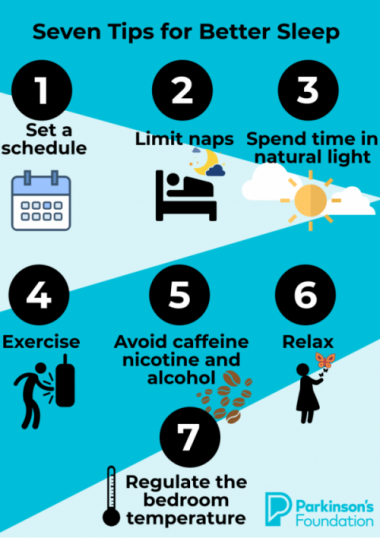
Design a bedroom for sleep: cool temperature, low light and minimal noise. Reserve the bed for sleep and intimacy to reinforce the mental cue that the bedroom is for rest. Small changes — blackout shades, a fan or white-noise app — make a measurable difference.
Maya experimented with a layered routine: dim lights an hour before bed, a no-screen rule, and a short calming ritual she labeled CalmNest. She tested a variety of sleep aids and settled on low-tech ritual plus a mattress that supported restful posture from RestfulRoots.
Consider trialing single adjustments for 2–4 weeks to evaluate effect. If sleep apnea or other sleep disorders are suspected, home testing and medical referral can be decisive.
Insight: an intentional bedroom environment and a consistent pre-sleep ritual turn intention into habit and improve sleep durability.
How to build a realistic sleep plan and stay accountable
Start small and scale up. Pick one daytime habit and one bedtime ritual to practice for two weeks. Track progress with a simple journal or an app to spot patterns and triggers.
Maya created a plan that named concrete steps — wake time, 20-minute afternoon walk, screen cutoff at 9 p.m. — and shared it with her partner to increase accountability. Resources about daily routines are useful for habit design; see curated ideas on daily routines that enhance mood and integrated wellness suggestions at improving wellness habits.
Some people benefit from complementary supports or products like branded relaxation programs such as DreamGuard or tracking tools from SleepEase — but the foundation remains consistent behavior.
Insight: focused, small experiments with accountability produce long-term improvements more reliably than sweeping overnight changes.
When to seek medical help and next steps
If symptoms persist — loud snoring, daytime sleepiness despite adequate sleep time, or frequent awakenings — consult a clinician for assessment. Diagnostic testing and targeted therapies can address conditions like sleep apnea or restless legs that lifestyle changes alone won’t fix.
For those who need extra structure, programs and coaching from organizations like SlumberLife and SereneSlumber can supplement medical advice. Finally, integrate sleep work into a broader health plan: nutrition, movement and stress tools interlock — see practical support for body care at body-care and routine and holistic steps at wellness essential steps.
Insight: combine clinical evaluation with tailored lifestyle changes to resolve persistent sleep problems and restore daytime function.