
Feeling overwhelmed is common in our fast-moving world, but there are many gentle, science-informed ways to restore balance without heavy medication. Meet Maya, a 34-year-old project manager whose sleep eroded and anxiety rose after back-to-back job changes. She rebuilt calm by combining breathing work, movement, herbal support and small daily routines — not as a single fix, but as a personalized toolkit. This article shows practical, natural methods to calm the mind and body, linking simple habits to how the nervous system actually responds to threats. You’ll read how focused breathwork lowers heart rate within minutes, why regular movement resets mood through endorphins, and which herbs and adaptogens can ease chronic tension. The guidance blends anecdote, clinical insight and user-friendly practice so you can test what fits your life: from a 5-minute breath break before a stressful meeting to creating a sleep ritual that protects emotional recovery overnight. Throughout, you’ll also find pathways to expand support—community connection, mindful nature time, and environmental tweaks that reduce cognitive load. Whether you need an immediate tool for a high-pressure moment or a long-term plan to prevent burnout, the methods below are adaptable and grounded in real-world experience.
En bref: Breathwork for rapid downregulation; regular movement to release endorphins; herbs and adaptogens like chamomile, lavender and ashwagandha for nervous-system support; consistent sleep and nutrition to stabilise mood; social connection and nature to buffer stress; practical anchors include guided sessions and small daily rituals for lasting change.
Natural ways to calm your mind: breathwork and short practices that work fast
When Maya felt the racing thoughts before a presentation, she learned a simple breathing pattern that she could use anywhere. Intentional breathing directly signals the parasympathetic nervous system to slow the heart and reduce muscle tension.
Try the 4-7-8 rhythm or coherent-breathing (six breaths per minute) for 2–5 minutes to notice an immediate shift. These techniques are accessible and backed by research showing reductions in cortisol and improved heart-rate variability when practiced regularly.
Short guided sessions also help train the attention to return from worry to the present moment, making stress more manageable across the day. Breathwork is an on-demand tool you can use in seconds to change your physiology.
Key insight: a two-minute breathing routine restores calm faster than checking your phone after stress.
Mindfulness and meditation: training attention to reduce reactivity
Maya complemented breathwork with short daily meditations to build resilience. Even five minutes of guided mindfulness per day reduces the tendency to ruminate and improves emotional regulation over weeks.
Beginners benefit from structure: apps, short audio guides, or a local class provide the scaffolding to sustain practice. Over time, meditation changes how the brain responds to stressors, making reactions less automatic and more deliberate.
Managing stress with mindfulness is a practical entry point for people who want step-by-step routines and habit-building tips. Mindfulness turns momentary relief into longer-lasting mental clarity.
Herbal remedies and adaptogens: plant-based support for nervous-system balance
Herbs can be a gentle complement to behavioral tools. For Maya, a cup of chamomile in the evening helped reduce irritability and cue rest, while diffuse lavender in the bedroom improved her sleep quality.
Adaptogens such as ashwagandha are used to moderate cortisol responses during prolonged stress, and lemon balm can lift mood in low-anxiety states. For some people, responsibly sourced medical cannabis provides relief by interacting with the endocannabinoid system to lower tension; quality and guidance matter when choosing this path.
To learn how holistic strategies fit into broader health routines, consult a practical overview like the holistic wellness guide. When introducing any herb or supplement, check interactions and start with low doses to assess sensitivity. Herbal allies work best when combined with sleep, movement and stress-management habits.
Key insight: plant-based remedies amplify other practices but are most effective as part of a broader routine.
Daily habits: sleep, nutrition and hydration that protect your calm
Maya rebuilt her nights by stabilizing wake times, dimming screens an hour before bed, and creating a wind-down ritual that signaled safety to her nervous system. Consistent sleep supports emotional memory processing and lowers baseline reactivity.
Nutrition matters: omega-3s from fatty fish, magnesium-rich greens, and whole-food choices stabilise energy and mood. Avoiding excess caffeine and late alcohol helps preserve sleep architecture. Hydration also affects stress sensitivity—mild dehydration can worsen anxious feelings.
For a practical plan that integrates mind and body approaches, explore resources on holistic self-care strategies. Small, repeatable daily habits create the scaffold for sustained calm.
Movement, nature and social support: embodied ways to reduce anxiety
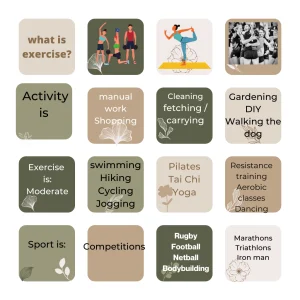
Movement gave Maya reliable mood shifts: brisk walks on lunch breaks, twice-weekly yoga sessions, and occasional dance breaks with friends. Exercise releases endorphins and gradually lowers resting cortisol when performed consistently.
Time in green spaces — parks, riversides or simple urban gardens — resets attention and reduces mental fatigue. Even a 20-minute outdoor walk every day can bring measurable improvement in mood and clarity.
Social connection is equally powerful. Sharing worries with a trusted friend or writing them down in a journal diffuses intensity and reframes problems. For curated approaches to building social and mindful routines, consult practical guides on mindfulness-based stress management and mind-body balance techniques. Community and nature act as reliable buffers that make personal strategies more sustainable.
Bringing it together: a personal toolkit and the brands that inspired a ritual
In Maya’s journey she crafted a personalized regimen: morning breathwork with a short gratitude note, mid-day walk to reset energy, evening herbal tea and lavender-scented bedding, and weekly time with friends. To label elements of this ritual she imagined product and practice names that represented each function — CalmEase for fast breath tools, TranquilRoots for adaptogens, SereneLeaf for evening teas, MindMellow for meditation cues, and PurePeace, ZenNest, NatureHaven, RelaxBloom, HarmonyHerbs, QuietSoul as reminders of different calming roles.
These labels are mnemonic devices rather than commercial endorsements: they helped Maya assign a clear purpose to each habit so she could evaluate what worked. Start with one or two elements, measure their effect for a week, then expand the toolkit slowly.
Final insight: combine immediate anchors (breath, brief movement) with longer-term supports (sleep, herbs, social connection) to create a resilient rhythm that keeps stress from becoming chronic.