
En bref: Spending structured time outdoors delivers measurable gains for both body and mind — from stronger immunity and lower blood pressure to clearer thinking and reduced anxiety. Aim for at least two hours per week in natural settings, split into short sessions if needed; even 20–30 minutes of immersive green time drops cortisol and improves mood. Practical approaches—urban parks, gardening, or weekend trail runs—boost adherence and expand benefits when combined with movement and social connection.
For the story thread that follows, meet Maya, a city graphic designer who traded evening screen time for sunrise walks and weekend ridge hikes. Over six months she reported calmer sleep, fewer sick days, and fresh ideas at work, aligning with research that links outdoor exposure to immune, cardiovascular and cognitive gains. Maya’s routine mixes calming forest time with brisk activity—what she calls her personal blend of TrailBlaze and FreshAirFit—and it illustrates how accessible habits reshape health when sustained.
Physical benefits of outdoor activities: heart, immunity and movement
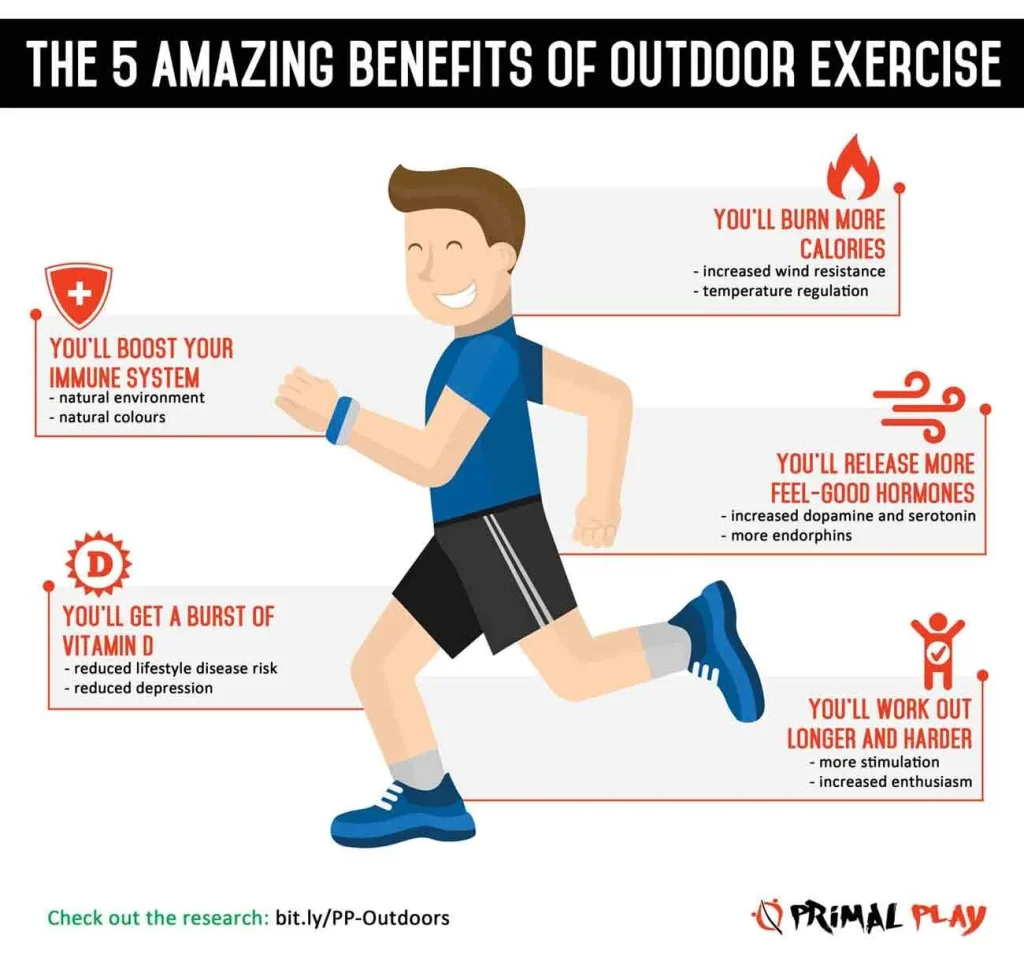
Time outside nudges people toward more movement and gives the cardiovascular system direct benefits: studies show consistent green-space exposure is associated with lower heart rate and reduced blood pressure, even among those with hypertension. Combining walking or cycling with nature exposure amplifies those gains because people tend to exercise longer and at higher intensity when outdoors.
Nature also supports the immune system. Sunlight increases vitamin D synthesis, and practices like ‘forest bathing†expose you to plant-emitted compounds called phytoncides that can elevate natural killer cell activity and white blood cell counts. For real-world guidance on staying active despite common obstacles, consult resources on overcoming exercise barriers. Insight: outdoor activity is both a behavioral nudge and a physiologic boost for heart and immune resilience.
Cognitive boost: attention, creativity and mental clarity
Natural settings reduce sensory overload that strains directed attention in urban environments, allowing the brain to recover and improving focus and problem-solving. Research indicates that quiet green spaces recharge cognitive resources and spark creative thinking; for example, designers and writers often report breakthrough ideas after time spent in parks or on trails.
Maya’s week includes a twice-weekly nature walk that she credits with helping her solve complex briefs; this mirrors findings that regular nature exposure enhances sustained attention and supports novel idea generation. For tactics to translate outdoor time into regular habits, see the fitness motivation article. Key takeaway: stepping into green calm is an inexpensive, high-yield cognitive reset.
Mental health and stress reduction: sleep, mood and emotional balance
Short doses of nature reduce psychological stress; studies show that 20 minutes in settings that evoke nature lower cortisol and promote relaxation, while 20–90 minute sessions often yield the largest mood improvements. Regular green-time is associated with lower rates of mild depression and less anxiety, likely via changes in prefrontal cortex activity and improved emotion regulation.
Maya noticed improved sleep after shifting morning light exposure and nightly walks—consistent with evidence that natural daylight helps align circadian rhythms and strengthen sleep quality. If motivation feels like a barrier, practical advice from guides on how to stay motivated outdoors can help. Insight: nature acts as a restorative environment that supports both emotional stability and sleep hygiene.
Practical steps to make outdoor time habitual
Start small: brief, regular exposures add up. Even five-minute morning walks or a midday bench break in a city park provide measurable mood lifts, while longer weekend sessions compound benefits. Choose activities that fit your life—gardening, birdwatching or urban trail runs—and pair them with accountability partners to increase adherence.
Programs and tools that address behavioral hurdles—scheduling, perceived safety or weather—are useful; for tailored strategies, consult the motivational barriers resource. Brand-like routines can help: combine a brisk neighborhood lap called EcoStride with a relaxed post-activity stretch named OutdoorZen, or alternate high-energy SummitSpirit hikes with restorative MindNature sessions to keep engagement high. Final insight: consistent, varied outdoor practices turn occasional exposure into lasting health returns.
Designing an outdoor plan that sticks: community, safety and progression
Community and structure increase sustainability. Join a local trail group, volunteer for park maintenance, or set a weekend goal with friends; social reinforcement helps convert intention into habit. For barriers tied to motivation or logistics, explore the practical suggestions in the care cover hub guide to adapt plans to your context.
Track progress with simple markers—frequency, duration, perceived stress—and adapt as you improve. Incorporate elements like ActiveAura morning routines or PeakVitality weekend sessions to create a recognizable rhythm. Last insight: the best outdoor plan is the one you can maintain, blending pleasure, social support and gradual progression.