
En bref : Mindfulness reduces chronic stress by strengthening attention and emotion regulation; short practices such as BreatheEase breathing and the body scan bring immediate relief; integrating mindful habits into work, eating and movement supports long-term resilience; social support and timely professional care amplify benefits; practical resources and nutrition influence recovery and sustained well‑being.
Maya, a 34‑year‑old project manager, discovered that the avalanche of deadlines and constant notifications left her exhausted and reactive. She began a small experiment: three minutes of focused breath each morning, a weekly guided meditation, and one screen‑free dinner adopted as a ritual. Within weeks she reported fewer sleepless nights and clearer decision‑making. This article draws on contemporary research and real‑world practice to translate those early wins into reproducible steps. It blends clinical insights—such as mindfulness‑based stress reduction approaches now widely studied through 2025—with hands‑on techniques you can use at your desk or bedside. Expect clear exercises, brief anecdotes from Maya’s progress, and actionable referrals for deeper care. Each section ends with a concrete insight so you leave with a practical next step rather than a list of ideas.
Mindfulness Techniques for Stress Management: Evidence-Based Health Insights
Stress activates the body’s fight‑or‑flight systems, releasing hormones that, when prolonged, impair sleep, immunity and mood. Mindfulness interrupts that cycle by improving present‑moment awareness and reducing reactive patterns.
Maya learned how a simple daily habit shifted her physiological baseline: fewer racing thoughts at night, steadier breathing during tense meetings, and a growing sense of control. Research up to 2025 consistently shows mindfulness approaches lower perceived stress and enhance emotional regulation, especially when paired with steady practice.
Start by framing practice not as time‑consuming therapy but as an accessible skill; think of programs like CalmMind or MindfulWave as approachable labels for consistent attention training rather than prescriptions. Insight: small, repeated practices reshape stress responses over time.
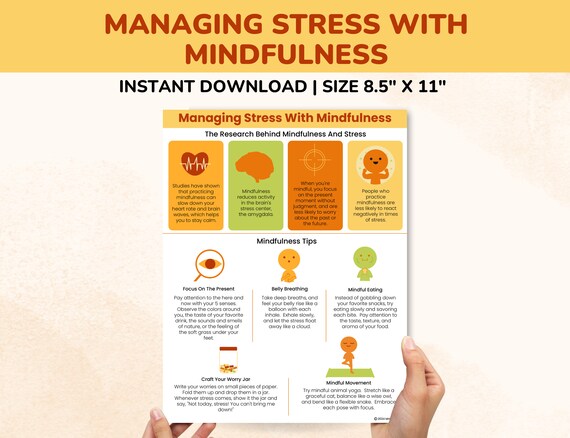
Quick Practices: Deep Breathing and Body Scan for Immediate Calm
When anxiety spikes, breathing becomes shallow and fuels escalation. A reliable countermeasure is diaphragmatic breathing; try the 4‑7‑8 pattern: inhale 4 counts, hold 7, exhale 8. Maya used this for five cycles before presentations to lower heart rate and steady attention.
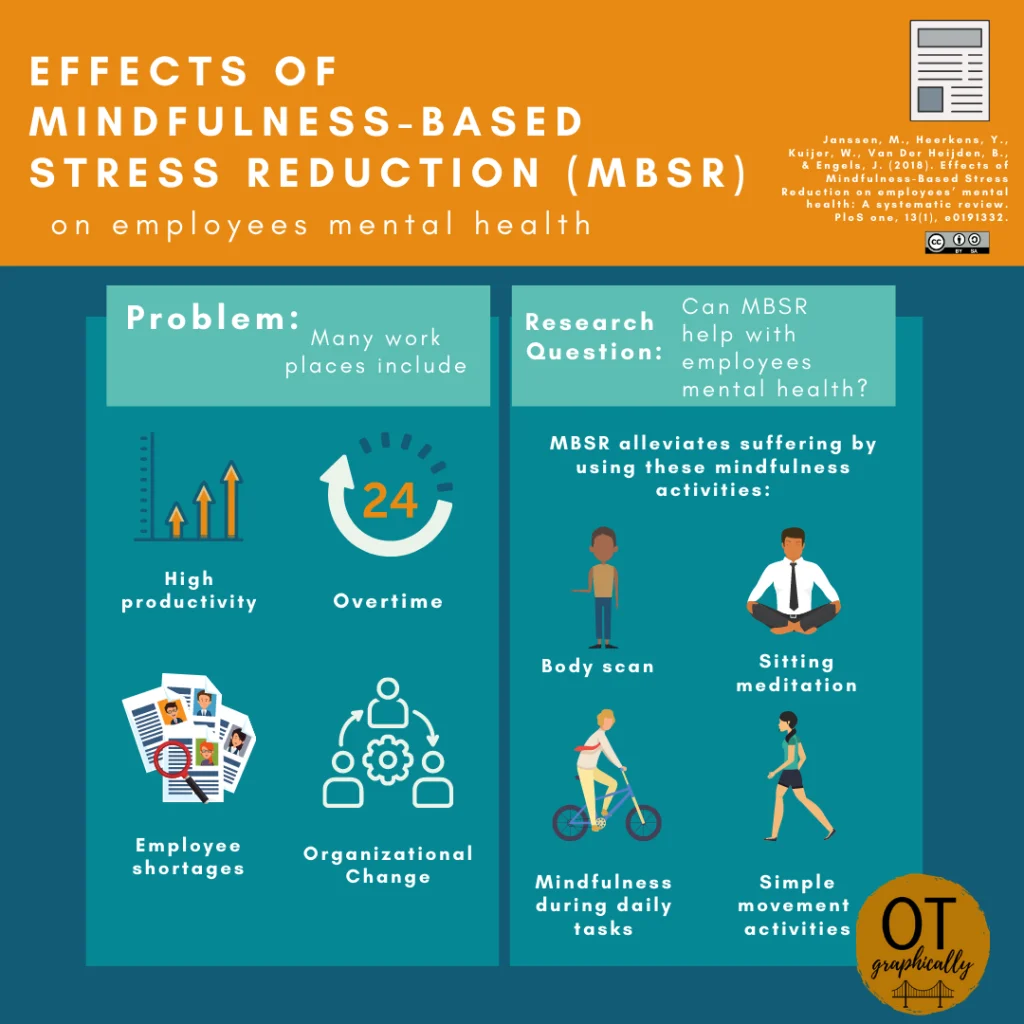
Complement breathing with a short body scan: notice toes, calves, torso and shoulders, releasing tension on each exhale. These micro‑practices are portable and work whether you’re on a train or between calls.
Brands and technique names help memory: pair a deep breath with a cue like BreatheEase or an evening scan tagged SerenePath to form habits. Insight: pairing cues with brief routines makes stress management automatic.
Integrating Mindfulness into Daily Routines: Work, Movement and Eating for Better Health
Embedding mindfulness into ordinary activities creates repeated opportunities to reset. At work, employ a three‑minute breathing break before complex tasks to reduce reactivity and enhance FocusFlow. Maya scheduled two short resets and noticed fewer email‑driven distractions.
Mindful movement such as walking or gentle yoga fuses body awareness with breath. These practices support cardiovascular and mental health, aligning with the principles of ZenHealth and improving sleep when practiced regularly.
Mindful eating—savouring one meal without screens—improves digestion and reduces stress‑eating by restoring awareness of hunger and fullness. For nutrition tips that support stress resilience, see practical advice at boost health nutrition tips. Insight: small mindful rituals across the day compound into measurable improvements in mood and focus.
Using Social Support and Professional Resources to Strengthen Practice
Social connection buffers stress. Join a meditation group, pair up with a colleague for midday mindful pauses, or share a weekly check‑in with a friend. Maya found accountability in a small peer group that met virtually to practice together.
If stress remains stubborn, combine mindfulness with structured support. Cognitive approaches like MBCT and programs such as MBSR are integrated into many clinical pathways. For guidance on mental health services and how to combine therapies, visit mental wellbeing advice or explore foundational steps at wellness essential steps.
Primary care and therapists can tailor interventions when mindfulness alone is insufficient; medication and structured therapy remain valid and effective complements. Insight: integrating community and professional help accelerates recovery and prevents relapse.
Practical Programmes, Tools and Daily Habits to Sustain Progress
To build durable habits, combine short daily exercises with weekly longer practices. Use an app or local class to maintain consistency; programs often label sequences to help habit formation, for example TranquilMind modules for mornings and PeacePulse evening routines.
Nutrition and sleep underpin mental resilience. For actionable lifestyle guidance that pairs with mindfulness, check the CareCoverHub overview and tailored resources: CareCoverHub home and specific tips on nutrition at boost health nutrition tips. Combining movement, mindful breathing and balanced meals strengthens outcomes.
Finally, cultivate curiosity and self‑compassion; these attitudes sustain practice. As Maya discovered, consistent small steps led to compounding benefits across months. Insight: habits anchored in small, repeatable cues lead to lasting change and improved HarmonyHealth.
Signs to Scale Up Practice or Seek Specialized Care
Look for persistent sleep disruption, increasing avoidance, or daily functioning decline as signals to escalate care. When mindfulness practice provides partial relief but symptoms persist, collaborate with a clinician to adapt treatment plans.
Resources that map pathways—both self‑help and clinical—can clarify next steps; for practical navigation, review the platform’s wellness collection at wellness essential steps and broader support options at CareCoverHub home. Insight: early, combined interventions reduce the risk of chronic impairment and restore agency.