
Mental clarity feels like a superpower in a world that constantly pulls our attention in every direction. Between back-to-back meetings, late-night screens, and the pressure to multitask, many people report an afternoon haze or persistent brain fog that undercuts productivity and mood. Nutrition is a potent, evidence-backed lever that can sharpen focus within days and protect cognitive function over years. In this piece we follow Maya, a product manager who turned her 2 PM “cotton-headed” slump into sustained focus by reworking simple meals and routines. Her story illustrates how targeted food choices—paired with hydration, thoughtful meal timing, and stress management—can transform mental performance. Scientific pathways like antioxidant protection, neurotransmitter synthesis, and the gut–brain axis explain why certain foods act as cognitive allies. Practical swaps (salmon for fast food, berries for sugary snacks) and strategic habits (protein-rich breakfasts, consistent hydration) made a measurable difference to Maya’s energy, mood, and creativity. This article outlines seven research-backed superfoods for clarity, explains how they work, and offers realistic ways to add them to daily life—so you can build a personal toolkit of NeuroFuel and ClarityWell strategies that fit a busy schedule.
En bref — Key takeaways: Berries supply polyphenols that reduce neuroinflammation; Fatty fish deliver DHA/EPA to support membranes and BDNF; Nuts improve vascular flow and memory; Pomegranate offers mitochondrial and blood–brain barrier support; Turmeric reduces inflammation via curcumin; Dark leafy greens supply folate and vitamin K for cognitive longevity; Green tea combines caffeine and L‑theanine for calm alertness. Pair these foods with steady hydration, Mediterranean-style meals, and stress-reduction routines to create a daily FocusFlow that becomes your cognitive edge.
How nutrition becomes your brain’s performance system: mechanisms for mental clarity
Food supports the brain through a few clear biological channels. Antioxidants and polyphenols protect neurons from oxidative damage and lower neuroinflammation, which are central drivers of brain fog and cognitive decline.
Other nutrients directly support signalling and plasticity: B vitamins and omega-3s help neurotransmitter production and membrane integrity, while compounds that boost BDNF enhance learning and memory. The gut–brain axis also matters; fiber and omega-3s shape microbiota that communicate with the brain via immune, metabolic, and vagal pathways.
Maya treated these processes like a toolkit—her meals became NeuroEssence and SmartNourish routines: small, repeatable choices that fed neurotransmitter synthesis and stabilized energy. The key insight: food is both immediate fuel and long-term maintenance for cognitive systems.
Berries: antioxidant power for sharper memory and attention
Berries are rich in flavonoids and anthocyanins that cross into the brain and blunt oxidative pathways linked to cognitive decline. Studies show these compounds modulate inflammatory signals such as NF-κB and protect hippocampal regions involved in memory.
Maya replaced her midday candy with a berry bowl and noticed faster recovery from mental fatigue. Practical ways to use them include adding berries to oatmeal, smoothies, or yogurt for a quick, portable dose of BrainBright antioxidants.
Final insight: a daily serving of berries is an easy, evidence-backed habit to protect learning circuits and reduce brain fog.
Fatty fish: building blocks for long-term cognitive resilience
Fatty fish like salmon, sardines, and mackerel are primary sources of EPA and DHA—omega-3 fats that maintain membrane fluidity and support synaptic signalling. They also elevate BDNF and can reduce amyloid accumulation in long-term studies.
For Maya, adding two weekly portions of salmon became a cornerstone of her routine. When she couldn’t cook, a high-quality fish oil or algae-based supplement provided similar NeuroFuel benefits under medical guidance.
Try baked salmon, sardines on whole-grain crackers, or recipe swaps that prioritize fish over processed meats to sustain attention and memory.
Nuts: vascular support and steady cognitive energy
Nuts provide alpha-linolenic acid (ALA), vitamin E, and polyphenols that support endothelial function and cerebral blood flow. Clinical trials connect daily mixed-nut consumption with increased perfusion to prefrontal regions and better verbal and visuospatial memory.
Maya made a habit of a small handful of nuts mid-afternoon. The mix of healthy fats and vitamin E cut the typical slump and supported sustained concentration without a crash.
Final insight: incorporating nuts into snacks and meals enhances vascular health, which directly underpins clear thinking.
Pomegranate: a concentrated source of mitochondrial and inflammation support
Pomegranate delivers polyphenols such as ellagic acid and punicalagins that help protect the blood–brain barrier and improve mitochondrial resilience. Preclinical studies suggest benefits for mood and neurodegenerative risk factors.
Adding pomegranate arils to salads or yogurt offered Maya both flavor and a targeted antioxidant boost during stressful product launches.
Final insight: pomegranate is a flavorful way to support brain health under stress and over the long term.
Turmeric (curcumin): anti-inflammatory action that supports cognition
Curcumin, the active compound in turmeric, modulates inflammatory signalling and raises BDNF, aiding memory and mood. Clinical research links curcumin supplementation with improvements in attention and reductions in depressive symptoms.
Maya incorporated turmeric into smoothies and evening “golden milk” to leverage its anti-inflammatory effects. Combining curcumin with black pepper or healthy fats improved absorption and real-world benefits.
Final insight: turmeric is a culinary and therapeutic tool to lower neuroinflammation and support clear thought.
Dark leafy greens: micronutrients that slow cognitive aging
Dark leafy greens such as spinach and kale contain folate, lutein, vitamin K, and β‑carotene—nutrients linked to reduced white matter damage and better long-term cognition. Regular intake correlates with slower decline in population studies.
For practical meals, Maya blended greens into morning smoothies, added them to grain bowls, and sautéed them with garlic for quick sides. These habits fit perfectly into a Mediterranean-style pattern that emphasizes whole, plant-forward foods.
Final insight: a daily serving of leafy greens is one of the simplest, most consistent investments you can make for cognitive longevity.
Meal timing, hydration and lifestyle habits that amplify food effects for focus
When you eat matters. Starting the day with a protein-rich breakfast stabilizes blood sugar and prevents mid-morning crashes, while balanced lunches with lean protein and complex carbs maintain afternoon focus. This pattern turned Maya’s unpredictable energy into a steady workflow.
Hydration is equally non-negotiable: the brain is highly water-dependent, and even mild dehydration impairs concentration. Incorporating practices like staying hydrated and sipping herbal teas supports fluid balance and reduces mental fatigue.
Combining mindful eating with routines—drawing on resources about mindfulness and focus and building consistent daily routines—creates a synergistic platform for clarity. Final insight: timing, fluids, and routine convert foods into reliable cognitive performance.
Mediterranean-style patterns and practical meal planning
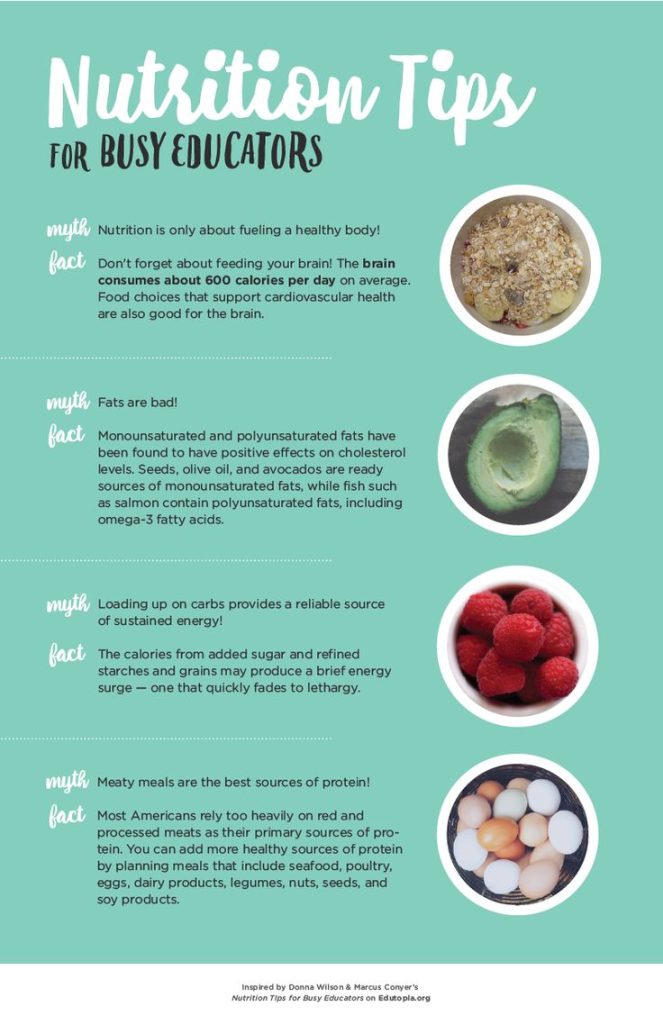
Rather than seeking a single “magic” food, the Mediterranean and MIND approaches emphasize whole grains, vegetables, fish, olive oil, and nuts. This pattern reduces cognitive decline risk and supports vascular and metabolic health that fuels the brain.
For weekly planning, use balanced plates with lean protein, healthy fats, and fiber-rich carbohydrates. Resources on balanced eating and macronutrients and recipes from nutrition guides help translate theory into everyday meals.
Final insight: adopt a pattern that feels sustainable—small consistent changes beat dramatic short-term diets for lasting mental clarity.
Stress, sleep and behavioral supports that strengthen nutrition’s effects
Nutrition interacts with sleep and stress. Anti-inflammatory foods reduce physiological stress, while sleep consolidates learning and metabolic recovery. Integrating stress relief strategies complements dietary changes and maximizes cognitive gains.
Maya paired her dietary shifts with practices from natural stress-relief and general mental wellbeing advice, noticing compounding benefits: improved mood, better focus, and fewer cravings for processed foods.
Final insight: combine nutrition with behavioral habits to create a resilient cognitive system—this is where lasting change happens.
Practical starter plan: how to turn knowledge into a weekly routine for sharper focus
Begin with three simple commitments for one week: choose a protein-and-veg breakfast; add fatty fish twice; and replace one sugary snack with berries or nuts. Track how you feel at 2 PM each day to assess impact.
Use tools and guides on nutrition tips for better health and combine them with preventive strategies from preventive health resources to sustain progress. Consider the concepts BrainVantage, CognitiveEdge and ClearThought as mental frameworks to organize choices rather than rigid rules.
Final insight: small, measurable changes create compound gains—start with one habit and build toward a full FocusFlow system that fits your life.