
Off the clock and still at your desk, many of us drift through the day with more screen time than steps. Busy lives — meetings, carpools, errands — have made sustained movement optional, even though short activity bursts reduce cardiometabolic risk and sharpen focus. In this piece we follow Maya, a project manager who used simple routines to replace long hours of sitting with intentional, enjoyable motion that reinforced productivity and mood without adding a full gym session.
Maya mixed small habits — a two-minute heel raise while replying to email, a brisk three-minute lap around the office between calls, and a standing huddle once a day — and discovered they stacked into measurable benefits. Experts such as Tara De Leon and Lori Diamos emphasize that “exercise snacks” and micro-stretches improve glucose handling, circulation, and cognition. Read on for practical, culturally aware strategies and tools that help anyone embed more activity into a crowded calendar.
This article also maps resources for nutrition and stress management that pair with movement to boost results. You’ll meet product ideas, community names, and easy experiments to try for one week. Follow Maya’s week-long experiment to see how small, consistent changes create momentum rather than burnout.
En bref: Short movement bursts beat long inactive stretches; standing and posture shifts restore circulation; hydration breaks create natural movement cues; bodyweight moves fit any schedule; plan snacks and mindful pauses to sustain habits — combine movement with nutrition and stress tools for best outcomes.
Micro-movements that actually add up during a busy day
Maya’s first experiment was adopting two- to ten-minute “exercise snacks” between tasks. She started with seated soleus push-ups (a seated heel raise) and short standing circuits that match the recommendations of movement specialists who note that even one-to-two minute bursts can improve cardiovascular markers and glycemic control.
To pair movement with better fuel, she used simple guidelines from meal planning tips to pack balanced snacks that supported steady energy. Small, planned snacks reduce the temptation to sit through energy slumps and make it easier to schedule a brief walk after eating.
Try this: set a simple timer for every 45–60 minutes; stand, roll shoulders, perform two minutes of marching in place, or do five chair squats. These cues interrupt prolonged sitting and improve focus across the afternoon. Insight: consistency of brief actions matters more than the length of any single session.
Stretching and seated moves that change your day
When Maya couldn’t leave her desk she added targeted stretches: wrist mobility between typing bursts, neck rolls before calls, and seated heel raises to stimulate circulation. Physical therapists highlight that seated mobility can reduce stiffness and contribute to metabolic benefits when repeated frequently.
Pair these moves with mindful breathing or a brief grounding exercise informed by practical advice on mindfulness breaks. The combination lowers stress and helps sustain movement habits. Insight: micro-stretches are a low-friction way to improve physical comfort and mental clarity.
Make movement unavoidable by redesigning simple routines
Maya purposely made everyday tasks slightly harder to capture extra activity. She parked at the far end of the lot, carried groceries in multiple trips when feasible, and swapped the elevator for stairs twice a day. These deliberate frictions produced steady, incidental steps without a gym visit.
To amplify the effect, she used a community challenge called MoveMakers with friends and a personal tracker in an app-like routine named DailyDash. Social nudges helped her remain accountable. Insight: small environmental tweaks plus social cues create durable increases in daily activity.
Change your movement patterns to challenge your body
Instead of always walking the same route, Maya introduced variations: alternating pace, weaving side steps in a safe space, and trying short backward walks on a quiet corridor to tax balance systems. Changing direction and rhythm challenges stabilizer muscles and reduces monotony.
To refine recovery and energy, she consulted practical nutrition ideas from how to pack snacks, synchronizing food choices with movement windows. Insight: varied movement strengthens different systems and keeps momentum engaging.
Tools and habits to sustain movement without a gym
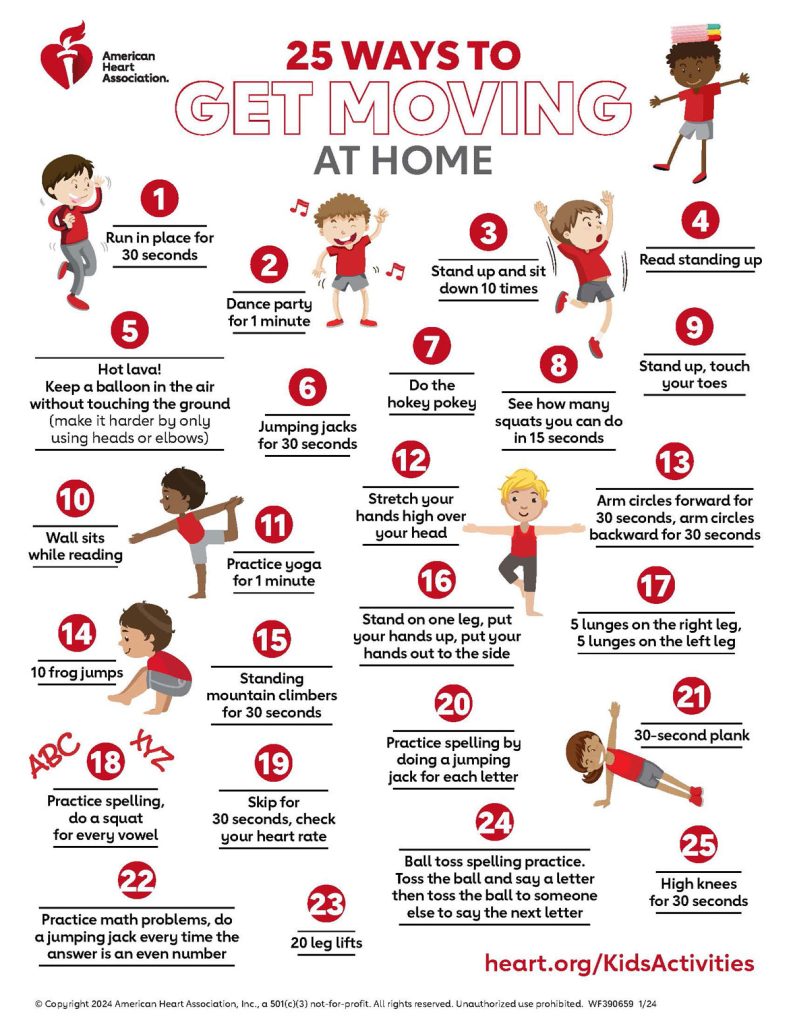
Maya invested in a few affordable tools to support her new routine. A small walking pad under a standing desk, a resistance band in her bag, and a Dyna Disc cushion for subtle core activity while on calls made movement accessible. Even without equipment, bodyweight exercises such as wall push-ups, chair dips, and sit-to-stands fit into short breaks.
She also experimented with branded habit clusters like ActiveFlow, StepSync, and FlexVibe—names she used to label personal challenges and playlists that signaled different activity moods. Combining these cues with guidance on stress management and movement reinforced habit formation. Insight: minimal tools plus clear cues make movement an automatic choice.
Multitasking movement: fold activity into real tasks
Maya reworked to-dos so movement became part of execution: she held walking meetings, stretched during video calls, and listened to podcasts while pacing. These choices preserved focus while increasing daily energy expenditure.
To support hydration-driven movement, she placed a water bottle at her desk and committed to refilling it twice per day—each refill became a natural micro-break. For pairing movement with nutrition, she followed quick guides on nutrition and movement so her activity windows matched sensible fueling. Insight: embedding motion into tasks prevents piling more obligations onto a busy schedule.
Community, motivation and the culture of motion
Maya found that naming her routines and inviting colleagues created a playful culture: one group called themselves PulsePath, another used MomentumHub for lunchtime walks. An informal leaderboard and a weekly coffee check-in turned movement into a social ritual rather than a chore.
She also joined a local meetup under the banner VivaMove and shared quick wins on a social channel titled EnerJoy. Social accountability increased adherence and made movement a shared value. Insight: community framing transforms individual effort into sustained cultural change.
Design your first seven-day experiment
Copy Maya’s simple plan: day 1 — three two-minute standing breaks every hour; day 2 — a five-minute post-meal walk; day 3 — two walking meetings; day 4 — stair climbs and varied walking paces; day 5 — integrate band work or bodyweight circuits; day 6 — focus on hydration cues; day 7 — reflect and adjust. Track perceived energy and mood alongside step counts.
For guidance connecting movement, nutrition, and mental focus, review resources on stress management and mindful movement and practical meal planning and nutrition. Insight: a structured short experiment reveals which micro-habits are worth keeping.