
Understanding nutrition matters now more than ever as people navigate busy lives, shifting food systems, and new programs that make healthy choices easier. Take Maya, a community cook who partners with a local pantry to transform donated vegetables into satisfying meals for seniors; through trial and error she learned that a plate balanced across protein, carbohydrates, fats, vitamins, minerals and water not only improves energy and mood but also simplifies shopping, especially when she uses targeted tools like NutriSense menus and local credit programs tied to brands such as VitaCore and HealthHarvest. This article explains the six essential nutrient groups, shows practical ways to include them in everyday meals, and highlights real-world tips—from community programs that load grocery credits onto cards to research-backed eating patterns—that help people eat better without extra hassle. Read on to discover clear, evidence-based steps and simple examples that connect science to the grocery aisle, so you can plan meals that truly fuel daily life and long-term health.
En bref — Six essentials: protein, carbs, fats, vitamins, minerals, water; Practical tip: prioritize whole foods and color on the plate; Access: use programs and meal credits like those promoted by community health partners to buy fresh produce; Smart swaps: choose complex carbs and unsaturated fats over processed sugars and trans fats; Action: pair nutrition guidance with movement and stress management to maximize benefits.
What are the six main parts of nutrition and why they matter for daily energy
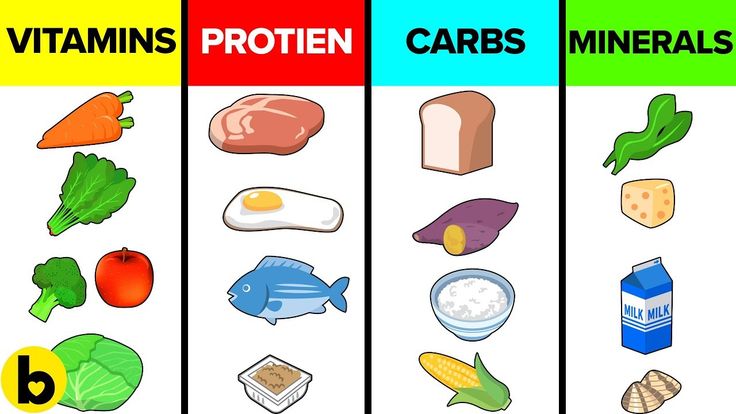
Nutrition breaks down into six essential groups that the body needs to grow, repair, and function: protein, carbohydrates, fats, vitamins, minerals, and water. Each group plays a distinct role — for example, protein builds and repairs tissue, while carbohydrates provide rapid and sustained energy depending on type, and fats enable absorption of fat‑soluble vitamins. Understanding these roles helps you shop smarter and design meals that support both immediate performance and long-term resilience.

Macronutrients explained: how protein, carbs and fats fuel the body
Protein supplies amino acids needed for muscle, enzymes, hormones and immune factors; animal sources provide complete amino acid profiles, while plant-based combinations deliver the full set across the day. Many people aiming for strength or recovery find that spreading protein across meals improves outcomes.
Carbohydrates are the body’s preferred energy source: choose complex carbs such as whole grains, legumes and starchy vegetables to support even blood sugar and sustained energy. For practical meal planning and examples, see trusted guides that pair nutrition with activity like effective workout routines and fueling strategies. Final insight: balancing macronutrients at each meal reduces energy swings and supports daily function.
Micronutrients: vitamins and minerals that keep systems running
Vitamins such as A, D, E and K are fat‑soluble and influence vision, bone health and circulation, while water‑soluble vitamins like C and the B complex support metabolism and immune responses. Minerals — including calcium, magnesium, potassium and iron — regulate nerve function, fluid balance and oxygen transport in blood.
Practical example: a midweek bowl with leafy greens, citrus, beans and a small serving of oily fish delivers multiple vitamins and minerals in one sitting. For shopping lists and meal prep ideas tied to micronutrient-rich foods, explore resources on balanced eating like nutrition tips for balanced meals. Key takeaway: small daily doses of diverse micronutrients produce large health returns over time.
Hydration and practical habits that keep water working for you
Water makes up around 60% of body weight and is essential for temperature control, joint protection and toxin clearance. Simple cues like pale, frequent urine and steady thirst management help maintain hydration.
Tip from Maya: include foods with high water content—cucumbers, melons and soups—when access to plain drinking water is limited, and consider local assistance programs that offset grocery costs to prioritize these items. Remember this: staying hydrated directly amplifies the benefit of other nutrients by improving digestion and nutrient transport.
How to translate nutrient knowledge into real meals and routines
Start with the plate model: half vegetables and fruits, a quarter quality protein, and a quarter whole grains or starchy vegetable, plus a small portion of healthy fat. Brands and services in the marketplace—such as PureNourish, NutrientNest, and community-driven platforms like WellnessWay—are increasingly offering meal plans and shopping tools that align with that simple framework.
For people juggling budgets and time, programs that load monthly credits for groceries and household needs can shift choices toward fresh food; learn how community support and lifestyle steps integrate at wellness and essential steps for healthier living. Insight: making one swap per week compounds into sustainable habits within months.
Putting it all together: planning, programs and small experiments
Design experiments like a seven‑day “BalancedBites” challenge where each day you test a different healthy swap—switch processed snacks to nuts, sugary drinks to water, or refined grains to whole grains—and record how energy and digestion respond. This approach mirrors what companies such as BodyFuel, CoreVitals, and EssentialEats recommend in their consumer guides: incremental change plus measurement.
For more tools that pair nutrition with fitness and habit design, visit central hubs of practical advice and planning templates at the main resource portal: CareCoverHub. Final point: small, measurable adjustments are the most reliable route from knowledge to lasting health.