

Building strength: top exercises for muscle growth arrives at a moment when millions want efficient, science-backed ways to add mass without wasted effort. In this long-form guide we cut through the noise and give you a clear path—from bodyweight starters to elite barbell work—so you can see measurable gains in months, not years. Follow Alex, an everyday athlete who trains at IronForge and follows the MuscleCraft program, as he moves from basic push-ups to heavy barbell deadlifts while tracking volume, sleep and protein. Along the way we translate expert principles into practical sessions you can use whether you train at a neighborhood StrengthLab or a compact home setup powered by FlexForge equipment. Expect concrete rep ranges, progression rules, nutrition targets and recovery tactics that reflect current practice in 2025. Every major move—squats, presses, rows, carries—gets a clear purpose: build tension, manage fatigue, and accumulate weekly volume. By the end you’ll know which exercises deliver the most hypertrophy per minute of training, how to step up weight safely, and how to combine programs like PowerPulse conditioning with a muscle-first plan such as BulkBuilder. This is practical coaching, not theory, and it’s built around real sessions, athlete anecdotes and simple rules you can apply today.
En bref:
Principle: Progressive overload and sufficient weekly volume drive hypertrophy.
Range: Use roughly 6–12 reps for growth and train muscles 2–3x per week.
Foundation: Prioritize compound lifts—squats, deadlifts, presses—then add isolation work.
Nutrition: Aim for 1.6–2.2 g/kg protein, adequate carbs for performance, and healthy fats for hormones.
Recovery: Sleep 7–9 hours, hydrate, and schedule planned deloads to avoid overtraining.
Best exercises to build muscle and strength: foundational compound movements
The fastest way to meaningful mass is to center training around multi-joint lifts that load muscle groups heavily and frequently. Exercises like the barbell back squat, deadlift, and bench press stimulate large amounts of muscle tissue and produce hormonal and neuromuscular responses that accelerate growth. For our athlete Alex, the routine began with mastering form at light loads, then increasing weekly volume using simple progression rules: add 2.5–5% when a target rep range can be completed for all sets.
Compound work also creates transfer: heavier squats improve sprinting and carries, while rows and pulls enhance pressing stability. If you have access to a modern gym like StrengthLab or a compact rig at IronForge, prioritize these moves and reserve isolation lifts for targeted weak points. Key insight: compound lifts give the highest return on training time when paired with consistent progressive overload.
How hypertrophy works and practical training principles for muscle growth
Muscle growth, or hypertrophy, is the outcome of repeated mechanical tension, progressive overload, and adequate metabolic stress paired with recovery. Practical application means choosing loads that create near-failure within the hypertrophy window and accumulating enough weekly sets for each muscle group. For most lifters that translates to roughly 10–20 sets per muscle per week, distributed across 2–3 sessions.
Use a mix of intensities: moderate-heavy work at 60–80% 1RM for the 6–12 rep range, occasional heavier triples for strength, and occasional higher-rep sets for metabolic work. Recovery elements—sleep, nutrition, hydration—are non-negotiable: aim for 7–9 hours sleep and follow a protein guideline of 1.6–2.2 g/kg. Insight: the science is simple—stress the muscle, give it fuel and rest, then repeat with a bit more load.
Top beginner, intermediate and advanced exercises for mass and how to use them
Beginners benefit from accessible, low-skill movements that build control and confidence. Start with push-ups to train pressing mechanics, bodyweight squats for hip and knee patterns, and assisted pull-ups to develop vertical pulling. Machines like the leg press allow safe volume without technical risk. Alex’s first eight weeks were dominated by these choices before he added load.
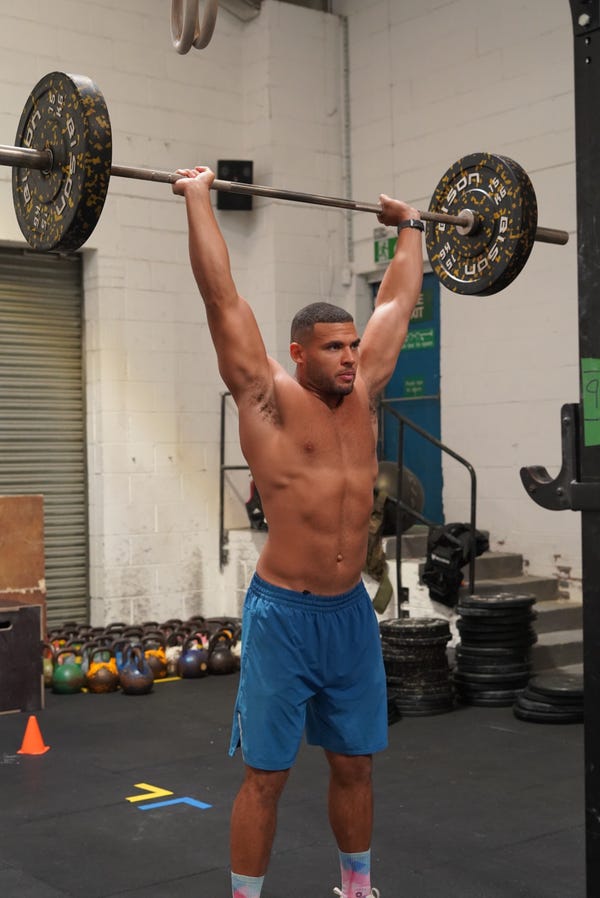
Intermediate trainees should add loaded compound lifts and increase weekly volume. Integrate barbell bench press, Romanian deadlifts, lat pulldowns and seated shoulder presses, with accessory moves such as dumbbell rows and goblet squats to correct imbalances. For advanced athletes, prioritize heavy, complex lifts like conventional deadlifts, barbell back squats, weighted pull-ups and the overhead press, then cycle in specialized work—paused squats, cluster sets, and loaded carries (e.g., farmer’s walk).
Progress by planned increases: systematic load jumps, autoregulated volume, or weekly rep targets. Insight: match exercise selection to technical ability and recovery capacity—complex lifts demand more recovery but deliver higher stimulus per rep.
Programming a weekly split for strength and hypertrophy
A simple, effective split for intermediate trainees is a push/pull/legs format that repeats across the week so each muscle group gets worked twice. Example sequencing for a five- to six-day schedule includes a dedicated push day for chest and shoulders, a pull day for back and biceps, and a leg day that includes both quad- and posterior-focused work. Alex alternated heavy compound days with lighter technique or accessory days to maintain intensity while increasing total weekly sets.
Progression can follow linear increases, weekly sets accumulation, or a two-week undulating model where intensity and volume rotate. Monitor performance: when logged lifts plateau and fatigue accumulates, implement a deload week of reduced volume to restore progress. Key sentence: consistent micro-progression beats sporadic maximal effort when long-term growth is the goal.
Nutrition, recovery and tools that speed muscle gain
Fueling training is just as important as the exercises themselves. Prioritize whole-food proteins like chicken, beef and eggs, pair carbs with training sessions for performance, and include healthy fats for hormone support. Supplements are optional but convenient—whey for post-workout protein, creatine for strength gains, and targeted shakes such as PowerPulse blends can simplify recovery on busy days.
Recovery strategies extend beyond food. Hydration, mobility work, and quality sleep are essential. Use tools and programs from reputable providers—BulkBuilder meal plans for calorie management, MaxMuscle trackers to log progress, and wearable feedback from systems at FlexForge and SteelStrength gyms to monitor readiness. Insight: structured nutrition and measured recovery convert training stress into lasting muscle.
Real-world story: Alex’s 12-week transformation at IronForge
When Alex began, his upper chest and posterior chain were weak and his training lacked structure. He adopted a MuscleCraft template, prioritized weekly volume for his lagging muscles, and added farmer carries for grip and core using a CoreCrush protocol. Within twelve weeks his squat and deadlift numbers rose, and visual changes appeared in both chest and back.
Two practical changes made the difference: scheduled increments in load every seven days and a nutrition plan using BulkBuilder portions to hit a modest calorie surplus. The final insight: targeted, repeatable adjustments beat random intensity spikes when chasing consistent muscle growth.
Want to train with purpose? Book a session, reserve a lane at your local facility or find certified coaches through SportConn to apply these principles practically and safely—your next step toward stronger, bigger muscles starts with a single scheduled workout.