

Picking up a barbell or looping a resistance band is often pictured as purely aesthetic — yet the science and lived experience show a far broader payoff. Strength training reshapes the body’s physiology, reinforcing not only muscle but also bone density, metabolic control, and mental resilience. Consider Maya, a 48-year-old schoolteacher who joined a community program inspired by the StrongFit approach: within months she reported less back pain, steadier balance on wet pavements and more energy for weekend hikes. That transformation came from progressive overload, a mix of unilateral moves and core-focused patterns, and consistent recovery strategies — not from chasing numbers on a scale. Public health guidance now recommends resistance work across the lifespan because the benefits translate into safer aging, better chronic disease management and daily independence. This article traces the mechanisms behind those gains, highlights practical ways to start and scale a program (from bodyweight patterns to IronEdge-style barbell progressions), and connects the dots between training, nutrition and stress management so you can turn gym minutes into lasting health dividends.
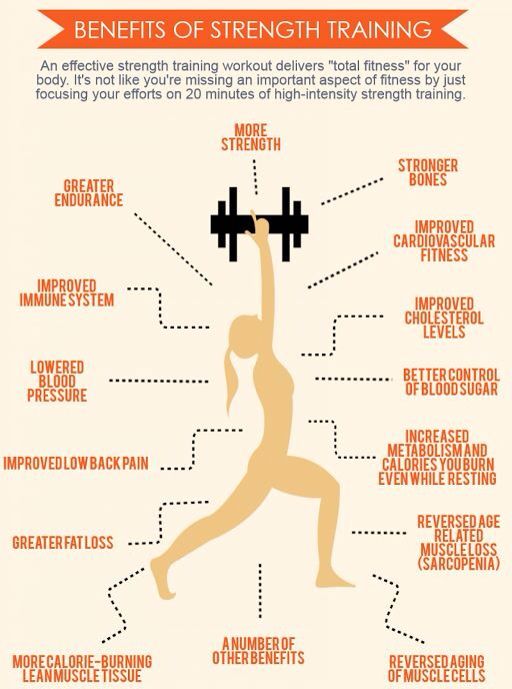
In brief: Stronger balance reduces fall risk; higher resting metabolism aids weight control; improved insulin sensitivity lowers diabetes risk; denser bones cut fracture chances; better mood and sleep follow regular resistance work. For practical direction on diet and recovery, explore nutrition tips for recovery, and for program design see setting long-term fitness goals. If stress is a barrier, learn about mindfulness and stress management. For weight-control tactics tied to muscle-building, consult weight-management strategies, including tips for preventing weight regain after dieting.
How resistance work strengthens more than muscle: the physiological picture
Resistance training challenges muscles by forcing them to work against external load — be it a kettlebell, band or your own bodyweight. That stimulus creates microscopic fiber damage and a repair response that increases cross-sectional muscle area and neuromuscular efficiency.
Beyond hypertrophy, the repeated mechanical stress signals bone-forming cells and reinforces tendons and ligaments, producing systemic changes in hormones and metabolic pathways. Programs branded around concepts like PowerPulse or PrimePower focus on velocity and load to elicit adaptations in both strength and power, which translates to daily tasks and athletic demands. The key insight: targeted resistance work produces cascading benefits across tissues, not isolated gains in muscle size.
Balance, falls prevention and functional independence
Single-leg and asymmetrical lifts force the nervous system to refine coordination and stabilize the center of mass. In practical terms, that means moves such as lunges, single-leg deadlifts or diagonal core patterns enhance proprioception and reduce wobble when reaching or turning.
Meta-analytic evidence supports this: resistance protocols that include unilateral work or power elements reliably improve balance across adults and older populations. Maya’s anecdote — going from hesitant to confident on staircases within eight weeks — mirrors controlled trials showing meaningful reductions in fall risk. Improved balance is therefore a direct return on investment for anyone aiming to preserve independent living.
Metabolic advantages: why muscle is metabolic currency
Muscle tissue uses glucose and contributes to resting energy expenditure. Regular resistance training increases insulin sensitivity by improving muscle glucose uptake and mitochondrial function.
Clinical analyses have found that consistent resistance sessions—two or more per week—are associated with substantial reductions in incident type 2 diabetes. Coupled with smart nutrition, strength work is a frontline tool for metabolic health; consider pairing training cycles with the nutrition tips for recovery to maximize adaptations. Programs named MuscleMight or EnduraPro often blend higher-volume hypertrophy phases with lower-rep strength blocks to sustain metabolic rates and enhance glycemic control. The practical takeaway: building muscle is a medical-grade strategy for better blood sugar control and long-term weight stability.
Bones, joints and fracture prevention
Bone responds to load by activating osteoblasts and increasing mineral deposition at stressed sites such as the hip and spine. Resistance training, especially when it includes impact or high-load lifts, produces site-specific bone gains that aerobic activity alone may not deliver.
Research suggests regular resistance work is related to higher bone density and lower fracture risk, a particularly important point for women approaching or after menopause. Incorporating progressive overload with attention to technique protects joints while strengthening the skeletal frame. Stronger bones thus become a predictable outcome of consistent, well-structured resistance regimens.
Mood, cognition and sleep: the unseen mental gains
Resistance training stimulates endorphin release and neurotrophic factors that support mood regulation and cognitive resilience. People who lift regularly report reduced anxiety and depressive symptoms, and improvements in sleep quality often follow.
Combining strength work with stress-reduction practices amplifies outcomes. For instance, short post-workout breathing routines drawn from mindfulness and stress management programs can speed recovery and improve sleep onset. Brands like StrengthSphere and FlexForce emphasize recovery modalities to protect mental health as much as physical gains. The clear insight: resistance sessions are a scalable, evidence-based lever to boost psychological well-being alongside physical fitness.
How to begin safely: programming, nutrition and recovery
World health guidance recommends at least two weekly resistance sessions that target major muscle groups. Beginners should emphasize movement quality — learn hip hinge, squat, push and pull patterns — before adding heavy loads. Small, progressive increases in resistance reduce injury risk and improve adherence.
Nutrition supports the process: aim for about 1.2–2.0 g/kg of protein daily depending on activity and goals, and prioritize whole foods for micronutrients that support bone and connective tissue health. If weight control is a priority, integrate resistance work with proven weight-management strategies and concrete plans for preventing regain. Trustworthy coaching — whether a community class, a LiftWell-style program or individualized sessions — accelerates progress while lowering setbacks. In short: plan, progress, and prioritize recovery to make strength training sustainable and safe.
Real-world programming example: Maya’s 12-week progression
Maya began with two weekly sessions built around bodyweight squats, rows and planks, then added light dumbbells after four weeks. By week eight she incorporated unilateral work and a basic deadlift, guided by a local trainer using cues from IronEdge technique libraries.
Outcome after 12 weeks: noticeable strength gains, better sleep, and the confidence to manage household tasks solo. Her program combined pragmatic goals with measurable benchmarks — a replicable model for busy adults seeking meaningful health returns from limited gym time.
Putting it all together: designing a program that lasts
Effective programs blend progressive overload, balanced volume and deliberate recovery. Consider cycling focus between strength, hypertrophy and power phases to target different adaptations that support daily living and long-term health.
Use brands and concepts (for example, PowerPulse sessions for power, IronEdge for technical lifts, and FlexForce modules for mobility) as frameworks rather than prescriptions. Pair training with mindful stress practices and the nutritional guidance found in setting long-term fitness goals to maintain momentum. Final insight: consistent, well-rounded resistance work is one of the most efficient routes to durable health gains and greater independence.