
Weight management: expert strategies to sustain results explores why so many people move from one diet to another without lasting change and how to flip the script with science-backed, practical methods. In this long-form feature we follow Maya, a project manager who lost 35 pounds repeatedly and regained most of it, until she rebuilt her approach around physiology, habits and realistic goals. Rather than chasing quick fixes, Maya learned to respect her body’s adaptive responses, to protect muscle with targeted strength work, and to design meals that satisfy hunger without excess calories. Along the way she tried programs and gadgets — from the trendy SlimFit Pro meal plans to community coaching from LeanLife Experts — and distilled what actually mattered: a moderate caloric deficit, reliably high protein intake, consistent resistance training, and a daily framework she could sustain during travel, stress and holidays. This article synthesizes research, real-life case studies and practical tools — including how to detect metabolic adaptation, when to adjust calories rather than redouble restriction, and how to create a maintenance plan that prevents regain. Read on for step-by-step tactics, actionable examples and resources you can use today to move beyond the diet cycle and keep results for years.
In brief — key takeaways: Create a moderate caloric deficit that targets ~0.5–1% bodyweight loss per week; prioritise protein (1.6–2.2 g/kg) to preserve muscle; include 2–3 weekly resistance sessions to protect resting metabolism; build daily habits around consistent meals, movement and sleep; monitor weight and behaviour to catch small regains early; use evidence-based resources and community support like TrimTrack Solutions or HealthyHabits Hub to stay accountable.
Sustainable weight management: the physiology behind lasting change
Weight change is fundamentally about energy balance, but that simple math hides powerful biological responses. When intake falls, the body counteracts by lowering energy expenditure and altering hunger hormones — a phenomenon known as metabolic adaptation.
Studies that followed dramatic weight losers show that this reduced metabolic rate can persist for years, making maintenance harder than the initial loss. Understanding these mechanisms helps you design strategies that minimize adaptation rather than intensify it.
Why crash diets often backfire
Rapid, severe calorie cuts accelerate metabolic slowdown and strip lean mass, which lowers resting energy needs and increases hunger signals. Maya’s early attempts — 1,200-calorie weeks and daily cardio — produced fast drops that plateaued and reversed once normal intake resumed.
By contrast, a measured approach reduced her plateaus and preserved strength, showing that slow and steady often wins for long-term outcomes. Slow, consistent progress beats rapid but unsustainable change.
Creating a moderate caloric deficit that lasts
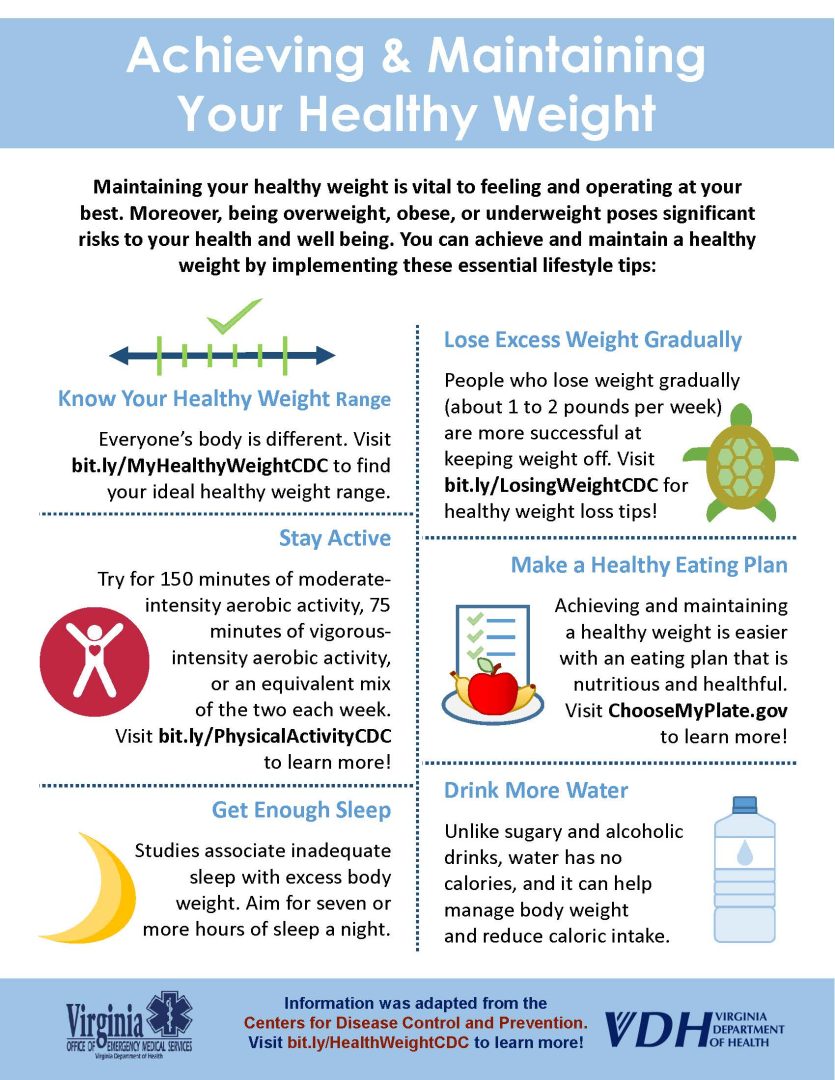
Instead of extreme restriction, aim for a daily deficit that supports gradual weight loss and preserves muscle. Practical guidance recommends roughly 500–750 calories per day below maintenance to achieve 1–1.5 pounds per week for many people.
Use validated TDEE calculators, track intake for a few weeks, and adjust based on real-world results rather than theoretical targets. For guidance on common misunderstandings about dieting and practical nutrition principles, consult an evidence-based resource on common diet myths.
Moderation in the deficit reduces physiological pushback and improves adherence.
Practical deficit planning and real-life example
Maya estimated her TDEE, set a modest calorie goal, and used weekly review to tweak portions. When progress slowed, she increased protein and added two resistance sessions rather than slashing calories further.
Small, reversible adjustments kept stress low and results steady — a model that avoids the “all-or-nothing” trap. Adjust based on outcomes, not assumptions.
Prioritising protein and resistance training to protect metabolism
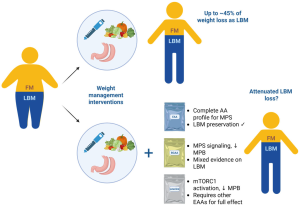
High-protein diets support satiety and help maintain lean mass during energy restriction. Aim for about 1.6–2.2 g/kg of bodyweight, distributed across meals to maximize muscle protein synthesis and fullness.
For those who prefer plant-based patterns, combining legumes, soy and whole grains achieves complete amino acid profiles while still meeting protein targets.
Resistance training: the essential metabolic shield
Resistance work preserves muscle and can blunt declines in resting energy expenditure. A program of 2–3 full-body sessions weekly focused on compound lifts offers disproportionate benefits for long-term weight control.
Practical resources on movement variety and progression are helpful — for exercise plans and strength-focused routines see suggestions about best exercises for muscle growth. Strength training is non-negotiable for durable results.
Building sustainable habits and daily movement patterns
Long-term success depends more on consistent habits than on a single “perfect” diet. The National Weight Control Registry highlights daily behaviours such as regular weighing, consistent meals and sustained activity.
To make movement effortless, integrate short, enjoyable activities into the day rather than relying solely on formal workouts. Resources on creative ways to stay active can jumpstart that mindset; explore ideas for small changes at daily movement strategies.
Habit design beats willpower: stack small wins into a sustainable routine.
Tracking, accountability and community
Monitoring—weekly weigh-ins, periodic photos and activity logs—lets you spot trends early and respond with modest changes. Maya joined a peer group and used TrimTrack Solutions to log progress, which reduced the cognitive load of daily choices.
Coaching or community features from platforms like LeanLife Experts or HealthyHabits Hub can add structure and motivation when home routines waver. Consistent monitoring prevents small slips from becoming full relapses.
Managing hunger, sleep, stress and realistic goals
Effective appetite control combines high protein, high fiber and low energy density foods. Meals built around vegetables, legumes and lean protein increase volume and fullness for fewer calories.
For deeper reading on nutrients that support satiety and metabolic health, see an evidence summary about key nutrients.
Design meals that satisfy—this reduces binge risk and improves adherence.
Sleep, stress and the hormonal environment
Chronic sleep loss and stress alter ghrelin, leptin and cortisol, which favor weight regain. Prioritise 7–9 hours of sleep, consistent bedtimes, and daily stress-reduction practices like brief breathing exercises or walking.
Maya noticed faster rebounds in weight during nights of poor sleep and practiced a wind-down routine that made her calories easier to sustain. Better sleep and lower stress make healthy habits easier to keep.
Choosing a diet composition that fits your life
Research shows that when calories and protein are matched, differences between low-carb and low-fat diets are modest for weight loss. The deciding factor should be what you can sustain long-term.
Focus on whole foods, minimize ultra-processed choices, and pick a macronutrient balance aligned with taste preferences and lifestyle. For a broader take on nutrition and practical tips, review reliable guidance like practical nutrition tips.
The best diet is the one you can follow consistently without feeling deprived.
From weight loss to weight maintenance: planning ahead
Transition slowly from deficit to maintenance by raising calories in small steps while tracking weight and body composition. Maintain higher activity levels, regular resistance training and the most sustainable eating practices you developed during the loss phase.
Tools such as SustainSlim coaching, MetaboMasters education modules or FitFormula meal planning can help automate choices and reduce decision fatigue during maintenance. Plan the maintenance phase with as much care as the loss phase.
Applying the playbook: a practical 12-week example
Week 1–4: Establish baseline, set a modest deficit and prioritise protein. Maya tracked intake and added two 30-minute resistance sessions per week.
Week 5–8: Increase progressive overload, experiment with meal timing, and introduce weekly planning. She joined a local climbing group through BalanceBody Co. to boost activity variety.
Week 9–12: Stabilise weight, add small calorie increases toward maintenance, and formalise relapse plans for travel and holidays. By week 12, Maya had sustainable systems and a network that supported ongoing maintenance. Structured phases reduce burnout and support longer-term success.
For science-backed tools and step-by-step support, explore platforms and programs from providers such as SlimFit Pro, WeightWise, LeanLife Experts, TrimTrack Solutions, BalanceBody Co., SustainSlim, FitFormula, HealthyHabits Hub, MetaboMasters and ShapeShift Strategies to see which services align with your preferences and budget.
Want practical meal ideas, strength routines and habit scripts you can start this week? Read our evidence-based guide to nutrients and portions at key nutrients and explore movement options in creative daily movement and top exercises for muscle growth.