
Mindfulness benefits: enhancing focus and reducing anxiety is more than a wellness slogan — it describes a wide set of practices that train attention and emotional regulation to improve daily performance and ease distress. In this article we follow Maya, a busy project manager who turned to short daily practices and an 8‑week program to regain concentration and calm during high-pressure work cycles. Clinical trials and reviews through 2024 show mixed but promising results: some studies report structural brain changes and slower tissue loss, while others find no measurable difference on scans, highlighting the importance of consistent practice and complementary lifestyle changes like sleep, movement and nutrition. Practically, mindfulness teaches people to notice thoughts and sensations without reacting, which reduces automatic habits such as rumination and worry and supports clearer decision-making. Readers will find evidence summaries, concrete exercises to try immediately, and a realistic eight-week case study that connects mindfulness to improved focus, reduced anxiety, better pain management, and overall life quality. Throughout, expect actionable steps you can test this week and curated resources for sleep, movement, and mental health to build a sustainable routine.
En bref: Mindfulness strengthens attention and lowers anxiety; MBSR and MBCT are evidence-backed formats; short daily breathing and sensory practices yield quick gains; combining mindfulness with sleep hygiene and gentle exercise amplifies results; real-life routines (see resources below) help sustain progress.
Mindfulness benefits for focus and anxiety: what the research and practice show
Mindfulness is the practice of bringing nonjudgmental attention to present-moment experience, including thoughts, feelings and bodily signals. This mental training helps interrupt automatic reactions and builds capacity to respond rather than reflexively react.
Studies vary: earlier reports in 2019 and 2020 found structural and functional brain differences among some meditators, while larger pragmatic trials in 2022 sometimes showed no group-level brain changes after combined interventions. These mixed results suggest that individual factors, program length and lifestyle context matter for outcomes. For practical guidance on pairing mindfulness with daily habits, see the article about daily routines that enhance mood.
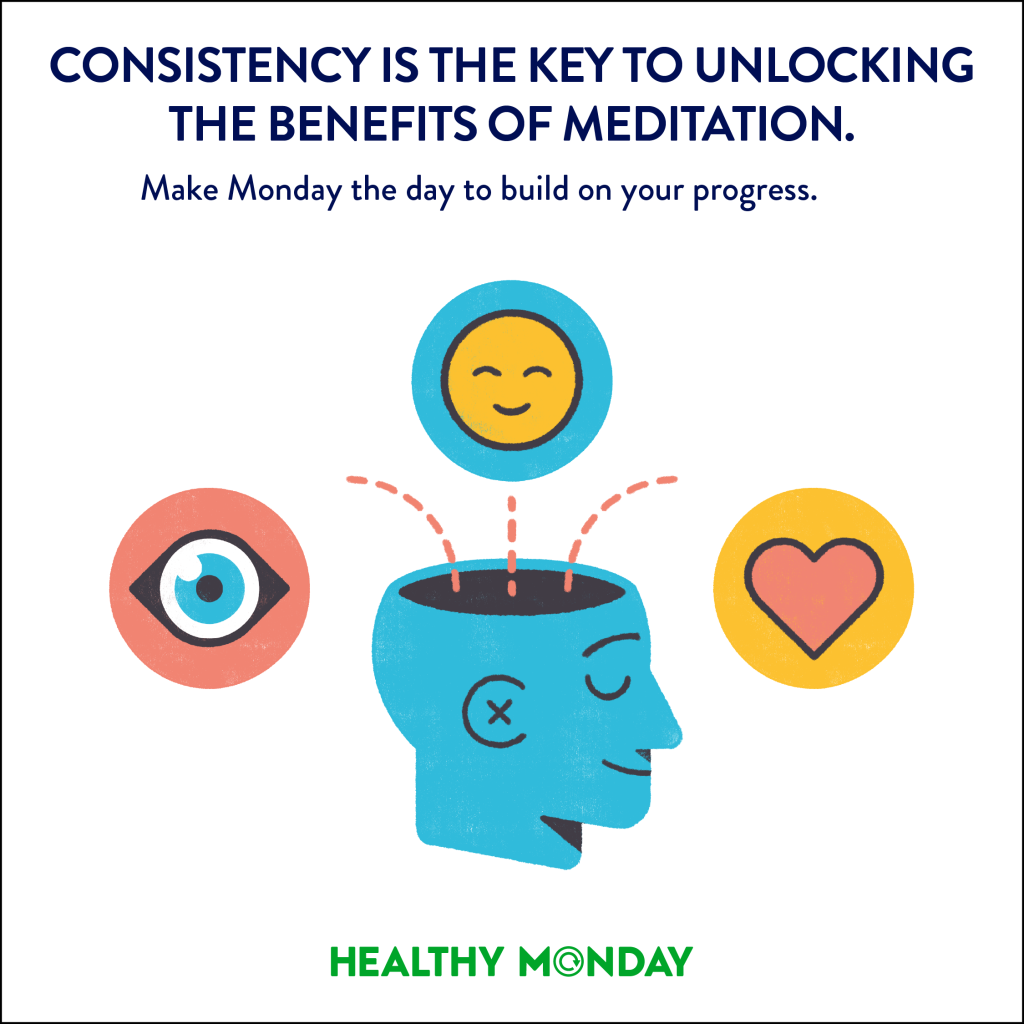
Insight: mindfulness is a tool whose effects depend on regular practice and the broader health context — it rarely works in isolation.

How mindfulness improves concentration: simple practices that create FocusFlow
Concentration benefits arise when attention is deliberately guided back to an anchor, such as the breath or body sensations, over repeated sessions. Short, daily micro-sessions train neural networks that support sustained attention and reduce distractibility.
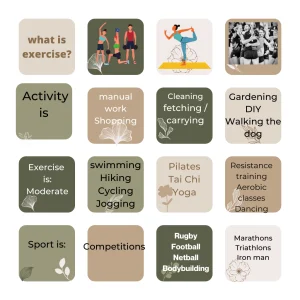
Begin with a ten-minute breathing exercise: notice the stomach rise and fall, observe the breath’s temperature, and when the mind wanders, gently return attention without judgement. Pairing this with light physical activity can cement gains; for practical movement ideas complementing mindfulness, explore creative daily movement.
FocusFlow and ClearMind describe the subjective states users report after consistent practice: less reactivity, clearer task switching, and a calmer inner dialogue.
Insight: brief, regular attention training yields measurable improvements in day-to-day concentration when combined with movement and routine.
Mindfulness-based therapies and anxiety reduction: evidence and clinical use
Clinical protocols such as Mindfulness-Based Stress Reduction (MBSR) and Mindfulness-Based Cognitive Therapy (MBCT) are structured approaches that integrate meditation, gentle movement and psychoeducation. Trials through 2024 show these formats can reduce symptoms of anxiety and depression, and decrease rumination and worry.
A notable 2022 trial compared an 8‑week MBSR course to escitalopram for anxiety and found comparable improvements with fewer side effects in the meditation group. Still, integration with medical care is essential; mindfulness is often best used as a complement to medication and therapy rather than an automatic replacement. For guidance on blending mindfulness with clinical care, read this resource on managing stress with mindfulness.
Practices that cultivate MindEase and InnerBalance — such as guided body scans and acceptance-focused exercises — reduce avoidance and improve emotional regulation over time.
Insight: standardized mindfulness programs can match medication for some anxiety disorders, but individual treatment planning and professional supervision are crucial.
Daily mindfulness routines to build CalmFocus and SerenePath in real life
Integrating short practices into daily life makes them sustainable. Start mornings with five to ten minutes of breath awareness, add a midday sensory grounding break (name three sounds, three textures), and close the day with a body-scan or gentle stretching. These small habits create a reliable pathway to clearer attention and calmer evenings.
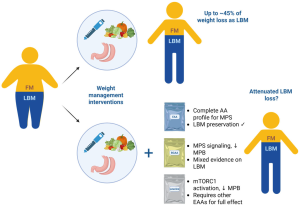
Complementary lifestyle steps help the practice stick: prioritize consistent sleep, nourish the body, and include movement. For science-based sleep tips that pair well with mindfulness, consult sleep and lifestyle guidance. For nutritional strategies that support cognitive function, see balanced eating and macronutrients.
Names like SerenePath, PeacePulse and TranquilThoughts capture the experiential qualities people aim for when building a routine that reduces stress while enhancing performance.
Insight: short, repeated rituals anchored to daily cues make mindfulness a durable part of modern life.
Case study — Maya’s eight-week journey to StillnessWorks and improved performance
Maya committed to an 8‑week plan combining daily 10‑minute meditations, weekly group sessions, and modest lifestyle shifts: improved sleep schedule, two short movement sessions per week, and clearer meal timing. She used the practice to interrupt late-night rumination and to focus at work during high-stakes meetings.
By week eight Maya reported reduced anxiety, fewer intrusive thoughts, and better concentration. Her employer noticed faster task completion and clearer communication. For movement and strength recommendations that amplify these gains, review advice on strength training benefits and check strategies to boost resilience at mental health resilience tips. She also consulted general wellness steps at wellness essential steps during the program.
Insight: combining short mindfulness sessions with sleep, movement and nutrition produces clearer focus and sustained anxiety reduction for motivated practitioners.