
Wellness trends: what’s new in health and lifestyle is no longer a list of fads but a real-time map of tools people use to feel better, move smarter and live longer. In 2025 the conversation has shifted from one-size-fits-all solutions to integrated, evidence-forward routines: people like Maya, a community wellness coach at HolisticHaven, combine breath techniques with personalized AI plans, swap one-size nutrition for microbiome testing, and redesign homes to feel like restorative retreats. Across clinics, studios and kitchens, four clear themes dominate: precise personalization, everyday biohacks that support recovery, a renewed focus on the gut-skin-brain axis, and spaces built to sustain well-being. These changes are visible in product launches (clean electrolyte mixes and seaweed-forward foods), in class formats (short power sessions and VR-based movement), and in design choices (mixed metals and living walls that bring nature indoors). Maya’s weekly routine illustrates the hybrid approach: morning nasal breathing and a nitric-oxide–boosting beet smoothie, mid-day power sets that prioritize speed, and evenings that center on sleep hygiene with a smart mattress and low-blue light. Behind each choice sits measurable intent — from resting heart rate trends to microbiome reports — which turns vague promises into actionable routines. This article follows Maya across health, fitness, nutrition, mental wellness, skincare and home design to show how these trends translate into everyday, sustainable practices that actually work.
En bref — key takeaways : AI personalization drives bespoke plans for movement and meals; vagus nerve practices and breath work improve resilience; nitric oxide nutrition supports circulation and performance; power training preserves mobility; electrolytes and colostrum reframe recovery and immunity; seaweed and ferments enrich the microbiome; exosomes and rose hip oil appear in advanced skincare; biophilic interiors create restorative homes; wearables and VR make monitoring and motivation seamless.
Health and wellness breakthroughs shaping daily routines
Maya begins her day with a five-minute breathing ritual that targets the vagus nerve — gentle humming, slow diaphragmatic breaths and a brief gargle — because research and practitioners increasingly report calmer inflammation profiles and improved cognition when parasympathetic tone is supported. These accessible techniques are now paired with handheld devices for people who want a measurable stimulus to speed recovery from stress-related issues.
Nutrition conversations have homed in on nitric oxide as a circulatory regulator: root vegetables and leafy greens are touted not as fads but as tools to support endothelial function and exercise capacity. Practical guides that evaluate supplements and food-form strategies help consumers make safer choices; for those comparing products, an expert guide to supplements is a useful starting point. The key insight: simple daily practices that modulate the nervous system and circulation compound into measurable health improvements.
End-of-section insight: pairing vagal stimulation with targeted foods creates a powerful, low-cost foundation for resilience.
Performance & fitness: power training, AI workouts and the rise of resting heart rate as a core metric
To keep aging bodies functional, Maya programs short explosive efforts into weekly sessions: power training (quick sit-to-stands, medicine-ball throws, short sprints) that preserves the speed component of movement essential for daily tasks. Coaches now design age-friendly progressions so people of all abilities can train power safely and effectively.
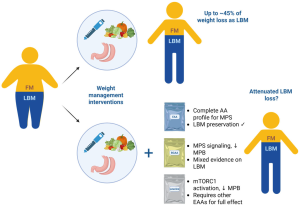
At the same time, AI-driven coaching personalizes plans around goals, calendar constraints and injury history. Platforms that pull wearable data, like sleep and heart-rate variability, into program changes reduce guesswork. For those managing weight while improving performance, curated resources such as weight-management strategies explain how exercise intensity, protein timing and recovery weave together.
Wearables have put resting heart rate front and center: tracking nightly RHR trends helps Maya decide whether to push intensity or prioritize recovery. Small, sustained drops in RHR often follow consistent aerobic work and better sleep, while unexplained elevations warn of illness or overreach.
End-of-section insight: blending short, power-focused sessions with AI-informed recovery decisions keeps function high without wasting training time.
Nutrition & gut health: seaweed, ferments, colostrum and personalized diets
Maya’s kitchen is a testing ground for the microbiome: kombucha on the counter, homemade kimchi in the fridge and seaweed snacks in the pantry. Seaweed has moved beyond garnish to a reliable source of iodine, fiber and minerals, while fermented foods contribute live cultures that support digestion and immune tone.
Supplement interest has matured: products like colostrum re-emerged beyond bodybuilding as multi-functional options for gut integrity and immune support, though they’re not suitable for people with milk allergies. For anyone weighing supplement choices against clinical need, the preventive health insights available online help frame benefit vs. risk in context.
Practical tip: include nitrate-rich foods (beets, arugula) to boost nitric oxide, pair ferments with prebiotic fibers and monitor responses over weeks rather than days for meaningful shifts in digestion and energy.
End-of-section insight: combining whole foods like seaweed and ferments with personalized testing yields targeted gut improvements that translate into better sleep, mood and immunity.
Cooking culture and the return to sensory, ingredient-led food
Where once trends skewed toward pills and powders, 2025 shows a renewed appetite for whole ingredients. Maya teaches neighbors how to sauté wakame, fold furikake into grains and ferment small batches of vegetables; these practices are affordable, low-waste and impactful.
Brands and spaces named RadiantRoots and NourishNest have cropped up to meet demand for ingredient kits and fermenting tools, supporting home cooks who want to own the process. The lesson: culinary skill is wellness capital — it reduces reliance on packaged products and deepens connection to what you eat.
End-of-section insight: making more food from scratch is both a microbiome and a mental-health win.
Mental wellness, skincare and living spaces that support recovery
Mental health in 2025 is heavily somatic. Maya adds short, movement-based practices and breath cycles into coaching because emotions are often experienced in the body. Tools branded BalancedBreathe and SerenePulse are integrated into sessions to anchor the nervous system through paced breathing and gentle body awareness.
Skincare innovation converges with clinical biology: ingredients like exosomes appear in advanced serums for repair and regeneration, while trusted botanicals such as rose hip oil continue to deliver hydration and antioxidant benefits. Consumers are learning to pair topical care with gut-supporting diets for clearer, more resilient skin.
Homes are being redesigned as sanctuaries: biophilic design, saturated color accents, and intentional mixed-metal palettes create spaces that restore. Maya recommends small changes — a living wall in a study nook, a warm burgundy throw — to shift mood and focus.
End-of-section insight: treating mind, skin and space as interconnected systems accelerates recovery and improves day-to-day functioning.
Practical daily habits that add up
Hydration with electrolytes is now an entry-level performance hack: a balanced, third-party–tested mix supports appetite, digestion and workouts. Trusted overviews and product reviews can be found on resources like expert guides and research and resources.
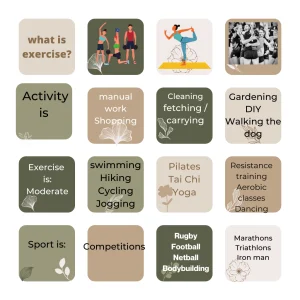
Short movement bursts — ten minutes of power-focused work — maintain function and confidence. Mindful pauses for breath or a two-minute body scan reset stress and improve decision-making. These are small, repeatable habits that compound into big gains.
End-of-section insight: consistent micro-habits are the engine behind lasting wellness change.
Technology, monitoring and sustainable choices for long-term impact
Wearables and VR are no longer novelties but tools: continuous monitoring of heart rate, sleep cycles and recovery metrics allows Maya to fine-tune plans. VR classes and gamified movement help those who struggle with motivation to stay consistent and engaged.
Sustainability is woven into product design and service models. Consumers favor brands that pair performance with planetary care — think recycled activewear and zero-waste skincare — and labels like GlowWell, PureVibe, FreshPath and VitalBloom reflect that shift toward conscious wellness packaging and ingredient sourcing.
For readers looking for validated health pathways, start with preventive screening and trustworthy resources; fundamental health questions are well covered on platforms such as CareCoverHub homepage, which aggregates practical guidance on screening, lifestyle and early risk mitigation.
End-of-section insight: choose tech and products that measure outcomes and reduce waste — that alignment keeps change both effective and ethical.