

Living with a chronic condition often feels like learning a new language — one that combines medical instructions, lifestyle shifts and emotional adjustments. In this feature we follow Maya, a 52‑year‑old teacher managing type 2 diabetes and osteoarthritis, as she discovers strategies that let her participate fully in life while keeping symptoms controlled. Through Maya’s day-to-day choices — from medication timing and gentle strength work to gratitude practices and community volunteering — readers will see how small, consistent actions add up to meaningful improvements in quality of life.
This article synthesizes clinician advice, practical tools and technology-enabled supports so you can build a personalized plan that fits your priorities. You’ll find evidence‑informed tips on symptom tracking, stress reduction, movement, nutrition and how to connect with the right professionals or services. Expect concrete examples, a realistic routine you can adapt, and references to resources that make follow-through simpler — including telehealth options and curated guides for movement and gut health.
En bref: Prioritize medication adherence; build a dependable daily routine; use simple monitoring to spot trends; add low‑impact strength work to protect mobility; practice stress reduction and sleep hygiene; cultivate a support circle that includes peers and professionals; leverage apps and telemedicine for continuity of care. These actions, when sustained, shift chronic care from crisis management to predictable maintenance.
Practical lifestyle strategies to manage chronic conditions: a roadmap that works
Maya’s first step was education: she met with her primary care team and read accessible resources to understand triggers and realistic outcomes. Knowing the mechanics behind a condition reduces anxiety and makes choices feel less arbitrary. Clinicians often emphasize that most chronic diseases are manageable with a mix of medication, lifestyle change and social support — a message that changed how Maya viewed her diagnosis.
One practical tactic she adopted was breaking large goals into weekly milestones, an approach recommended by many care teams. Rather than aiming for an abrupt weight change or perfect blood sugar numbers overnight, Maya tracked incremental wins and celebrated them. This mindset preserves motivation and reduces burnout, which is essential for long‑term success.
Insight: Treat chronic management as a series of small, measurable experiments rather than a single all‑or‑nothing effort.
Medication, routines and monitoring that keep setbacks rare
Consistency with prescribed treatments is the backbone of stable control. Maya set phone reminders and used a pill organizer to maintain medication adherence, understanding that stopping medication when feeling better often leads to relapse. Clinicians advise that adherence paired with regular medication reviews prevents avoidable complications and supports quality of life.
Tracking symptoms, mood, food and activity created a reliable dataset for her clinician visits. Maya used a simple journal and a smartphone app to note patterns, which made each appointment more productive. Sharing this information led to small medication adjustments and tailored advice that improved her daily functioning.
For targeted reading on maintaining strength safely, she followed a practical guide to core strengthening exercises, which helped reduce pain and support mobility without risking overexertion.
Insight: Simple, consistent tracking enables clinicians to fine‑tune care and reduces emergency visits.
Move with purpose: low‑impact exercise and mobility planning
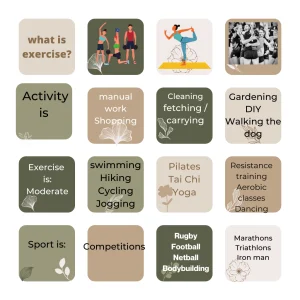
Movement doesn’t have to be strenuous to be effective. Maya incorporated short strength sessions and gentle aerobic activity three times weekly, which improved her stamina and mood. Evidence shows that tailored movement programs can reduce pain, improve glucose control and preserve independence for people with arthritis and metabolic conditions.
She worked with a physiotherapist to design safe routines and used programs recommended by organizations that specialize in functional movement. To expand her options, Maya explored resources on the yoga and wellness connection for flexibility and breath work, choosing poses adapted for her knees. This variety kept her motivated and reduced the monotony of exercise.
Insight: Focused, low‑impact movement done regularly will yield functional gains and greater confidence over time.
Nutrition, gut health and practical eating habits
Adjustments to diet gave Maya stability in blood sugar and energy. She emphasized whole foods, fiber, and balanced meals with protein, while limiting refined carbohydrates and excess salt. Small, sustainable shifts — like planning three balanced meals and choosing whole fruit over sweetened snacks — proved more durable than restrictive dieting.
Because gut health affects inflammation and metabolic control, she consulted plain‑language guides to improve her microbiome through diet and prebiotic foods. Interested readers can learn more about gut strategies in a helpful overview on gut health and wellness, which outlines approachable changes that support digestion and immune resilience.
Insight: Prioritize nutrient density and regular meal timing; dietary tweaks compound over months to improve symptom control.
Stress, sleep and mental resilience as clinical tools
Stress amplifies symptoms and undermines self‑care. For Maya, nightly wind‑down rituals, brief daytime mindfulness, and journaling helped reduce flare‑ups of pain and anxiety. Mental health interventions — including counseling when needed — are as essential as any medication, because mood shifts affect adherence and decision making.
She also benefited from gratitude practices and community involvement; volunteering gave meaning that offset identity loss some patients feel after diagnosis. Programs promoted by organizations like WellnessWisdom and local peer groups can help people find those social connections and build resilience.
Insight: Managing stress and sleep is not optional — it directly affects symptom trajectories and daily function.
Technology, support networks and accessing care
Digital tools can streamline care: remote check‑ins, symptom trackers and online prescription services make day‑to‑day management simpler. Maya used telehealth for routine medication management and relied on a symptom app to prepare for visits, which saved time and improved communication.
She also connected with a local support group and consulted multidisciplinary teams labeled under names like ChronicCarePro, LifeBalance Experts and ChronicSupport Hub to assemble the right mix of clinicians, coaches and peers. Services that compile best practices, such as platforms summarizing the latest health and wellness breakthroughs, can point you to innovations and trials that may be relevant.
Insight: Combine human support with technology to create a dependable care ecosystem that prevents gaps and reduces stress.
Designing a sustainable long‑term plan with realistic goals
Change is most durable when it aligns with what matters to you. Maya’s plan centered on preserving independence and staying active for family trips, not achieving an abstract “perfect” number on a chart. She met quarterly with her care team and adjusted goals seasonally, which kept the plan relevant and motivating.
Professionals who brand their services — such as ManageIt Health, ChronicEase Solutions, VitalPath Advisors, HealthHarmony Tips, WellLife Management and LifestyleClinic — often offer structured programs that combine coaching, medical oversight and community support, which some patients find helpful when starting out.
Healthy aging habits such as balance work and progressive strength training were integrated into Maya’s routine to reduce future risk and increase daily comfort. Over time these steps compounded: fewer flare‑ups, less medication escalation, and more days spent on meaningful activities.
Insight: A personalized plan tied to personal values produces the greatest long‑term adherence and satisfaction.