
Healthy aging is less about a magic pill and more about daily choices that stack over decades to preserve both length and quality of life. While family history plays a role, research shows genetics explain roughly 25% of lifespan variation — the rest depends on diet, movement, sleep, social ties and environment. Long-term studies like the Framingham Heart Study have tracked generations and revealed how blood pressure, cholesterol, smoking and body weight shape risks across the life course. Practical changes — adopting a mostly plant-forward diet, moving regularly, quitting tobacco, sleeping well and staying socially engaged — shift the odds toward more vibrant years. Public-health success stories such as Finland’s dramatic drop in coronary deaths after policy and food-supply changes demonstrate that individual habits plus societal support accelerate healthy aging at scale. Programs and tools from both innovators and community clinics — from clinic-based coaching to platforms like LongevityLabs and EverVita — now translate decades of evidence into everyday routines. The goal is to extend not only lifespan, but HealthSpan: the years lived with strength, purpose and enjoyment.
En bref — key points to remember: Genetics matter but lifestyle counts more; plant-forward eating reduces chronic-disease risk; aim for 150 minutes of moderate activity weekly; prioritize 7–9 hours of quality sleep; avoid tobacco and limit alcohol; stay hydrated and socially connected; optimism and daily structure support resilience; combine personal habits with community-level change to maximize impact.
Healthy aging and longevity explained: why lifestyle outranks destiny
Longevity simply means living a long life, but most people seek those extra years in good health rather than added frailty. In the U.S., life expectancy rose from about 47 years in 1900 to roughly 77.5 years for people born in 2022, reflecting public-health advances, medical care and behavior shifts.
Large cohort studies have shown that while genes set a baseline, conditions across life — diet, activity, sleep, exposures and social context — determine much of the outcome. A community-based approach that prioritizes cardiovascular and metabolic health pays dividends across organs: the same habits that lower heart disease risk also reduce dementia and cancer risk. Insight: small daily choices compound into decades of healthier living.

From Framingham to modern prevention: the Life’s Essential Eight
The Framingham Heart Study, now spanning generations, helped establish the classical risk factors for aging-related diseases — blood pressure, cholesterol, smoking, obesity and sedentary lifestyle. Its findings shaped public-health tools such as Life’s Essential Eight, which bundles a healthy diet, regular activity, no nicotine, good sleep, healthy weight, blood pressure, blood sugar and blood lipids into an actionable framework.
Real-world examples show change is possible: targeted policies in the 1970s and beyond helped Finland slash coronary deaths by improving diet and reducing smoking. Insight: collective action plus individual habits turns knowledge into longer, healthier lives.
Nutrition for longevity: plant-forward choices that protect cells
What we eat directly affects cellular function: nutrient-rich foods fuel immune defenses, limit inflammation and support repair, whereas diets high in added sugars, refined fats and ultra-processed items accelerate damage. Evidence favors plant-forward patterns for longevity; a JAMA Network Open analysis linked strong adherence to a Mediterranean-style, plant-forward diet with a roughly 23% lower risk of death from any cause among women in the cohort.
Emphasizing vegetables, fruits, whole grains, legumes, nuts and moderate fish — while minimizing red and processed meats — supplies antioxidants and fibers that preserve cell health. Insight: most meals anchored in plants deliver outsized benefits for long-term vitality.
Plant-forward without perfection: practical meal habits
Adopting a plant-forward approach doesn’t require becoming vegetarian. Start by making vegetables and whole grains the main part of the plate, add beans or fish several times per week, and treat meats or sweets as occasional additions. Meal planning and small recipe swaps make this sustainable across busy weeks.
For programmatic help, many people turn to structured meal guides and plans. For ideas on assembling balanced, plant-forward menus, explore resources on smart meal planning and nutrition, which show how to shift portions and add fiber-rich staples. Insight: practical planning reduces decision fatigue and keeps you on course.
Movement and strength: how regular activity expands your HealthSpan
Physical activity strengthens the heart and lungs, preserves muscle and balance, and lowers the risk of falls, diabetes, stroke and many cancers. Guidelines recommend an adult aim for at least 150 minutes per week of moderate activity, or 75 minutes of vigorous exercise, plus muscle-strengthening sessions two or more days weekly.
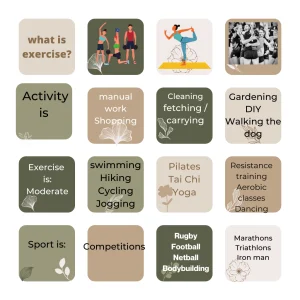
Everyday movement counts: brisk walking, gardening, household tasks and stair-climbing add up. Strength training preserves functional independence as we age, and balance work reduces fall risk. Insight: a mix of endurance, strength and balance work delivers the broadest protection.
Designing a routine that lasts
Most people find hybrid routines easiest to maintain: a few brisk neighborhood walks, twice-weekly resistance sessions with light weights or bands, and balance drills integrated into daily tasks. For structured plans and exercise ideas tailored to different fitness levels, consult curated workout guides such as those on effective workouts and fitness.
Programs branded around themes like RenewStride, ActiveEra or PrimeFlow often bundle short strength circuits, mobility flows and walking challenges to help adherence. Insight: consistency beats intensity—sustainable routines are the key to cumulative benefit.
Sleep, hydration, social connection and mindset: non-negotiables for vitality
Quality sleep supports cognition, immunity and metabolic regulation; experts advise roughly 7–9 hours nightly for most adults. Chronic sleep shortfall raises long-term risks across organ systems. Hydration also matters: a recent cohort of more than 11,000 adults found better hydration associated with fewer chronic conditions and longer survival.
Social activity and positive outlook are powerful predictors of longer, healthier lives. Large population studies link frequent social engagement with improved survival, while optimism has been independently associated with longer lifespan in diverse cohorts. Small daily routines that support mood and connection help sustain healthy habits — guidance on structuring those routines is available via resources about daily routines to enhance mood. Insight: treating sleep, fluids, relationships and outlook as priorities compounds other healthy choices.
Cutting risks: tobacco, alcohol and weight control
Tobacco remains one of the most potent, reversible threats to long life. Quitting at any age reduces risks substantially. Limiting alcohol to moderation — generally one drink per day for women and two for men, with lower consumption preferable — helps lower cancer and liver risks.
Maintaining a healthy weight protects blood pressure, blood sugar and lipid profiles. Practical weight strategies, including portion control, regular activity and targeted plans, make sustained change feasible; for concrete methods, review the guidance on weight management strategies and applied behavioral tips. Insight: reducing major exposures and supporting weight control unlocks broad downstream gains.
Putting the pieces together: everyday steps toward AgileYears and ThrivePath
Imagine Margaret, a 68-year-old retired teacher who wants decades of active living. She starts by swapping two weekly meals for plant-forward bowls, joins a neighborhood walking group for social support, schedules two short resistance sessions, prioritizes sleep hygiene and meets with a clinician to optimize blood pressure. Over time these small, consistent steps extend her HealthSpan.
Tools and communities named WellAge, ThrivePath, VitalPulse or programs from LongevityLabs and EverVita can provide coaching, tracking and peer accountability to keep momentum. Practical resources for maintaining change include structured workouts, meal plans and behavior guides — revisit weight control plans for ongoing maintenance via sustainable weight-management approaches and consult curated fitness programs at effective workout resources when you need fresh routines.
Final insight: longevity is not a single intervention but a mosaic of habits; prioritize plant-forward meals, regular movement, sleep, hydration, social engagement and avoidance of toxic exposures to maximize both years and the life within them.