
Feeling sore after a workout is common, but it doesn’t have to derail your training. This piece follows Alex, a 34-year-old teacher training for a 10K, as he discovers practical, evidence‑based ways to reduce muscle soreness and recover smarter. Over several months Alex combines simple habits—improving hydration, structuring warm-ups and cool-downs, using targeted soft‑tissue tools, and adjusting nutrition—to maintain consistent progress without constant aches. The guidance below blends sports medicine principles, athlete anecdotes and accessible tools like the RecoveryPro app and a MuscleEase roller to create an adaptable post-workout routine. Expect clear steps for immediate relief (ice, gentle movement, Epsom baths), medium-term strategies (progressive overload, foam rolling, massage with SootheFlex techniques) and long-term planning (protein-focused fueling, balanced macronutrients, and professional coaching). Practical links to trusted resources help you learn specific exercises and nutrition tactics: if you want targeted strength moves, check trusted guides on top exercises for muscle growth, and for simple at-home options see curated home workouts with no equipment. By integrating small, consistent actions—think 10–15 minute cooldowns, strategic protein, and soft-tissue care—you reduce downtime and build resilience. Key idea: recovery is not a single remedy but a routine of small, repeatable practices that keep you training longer and stronger.
In brief — quick takeaways to use today:
Hydrate smart: follow daily guidance and increase intake on training days with practical tips from hydration resources.
Cool down and stretch: 10–15 minutes of easing intensity plus targeted stretches prevents dizziness and preserves range of motion.
Move gently after hard sessions: light activity speeds repair more than total rest and supports motion with tools like MuscleEase and SootheFlex.
Fuel recovery: aim for adequate protein and balanced macros; learn how to structure meals at balanced eating and macronutrients.
Use expert help when needed: sports nutrition plans and coaching from certified pros accelerate progress—see sports nutrition guidance for practical tips.
Hydration, electrolytes and immediate post-workout care for less soreness
Hydration is a first-line tool: sweating reduces plasma volume and affects muscle function, so replenishing fluid supports recovery and reduces cramping. Alex learned to treat hydration like part of training equipment, increasing intake on big sessions and choosing beverages with electrolytes when workouts exceeded an hour.
Practical hydration routine
Before workouts Alex drinks modest amounts to avoid stomach upset, then sips during exercise to replace losses. After training he prioritizes fluids and a sodium-containing snack or drink if the session was long or very sweaty. Resources on practical drinking strategies helped him refine timing and amounts without overcomplicating daily life.
Takeaway: consistent hydration reduces post-exercise stiffness and supports nutrient delivery to muscles.
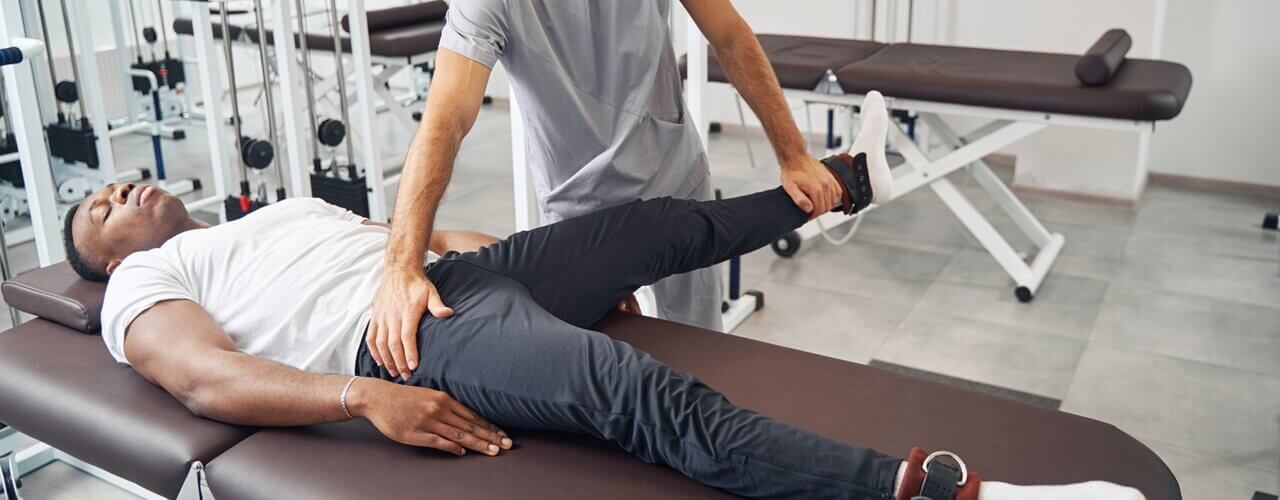
Warm-up, cool-down and mobility: prevent excessive soreness with routine
A proper warm-up primes muscles and a 10–15 minute cool‑down acts like an off-ramp for circulation. Alex switched to a habit of five minutes of light aerobic movement, dynamic mobility before hard efforts, and a gradual cooldown after sessions, which lowered his next‑day tightness and reduced dizzy spells after sprint sets.
Cool-down and soft-tissue work
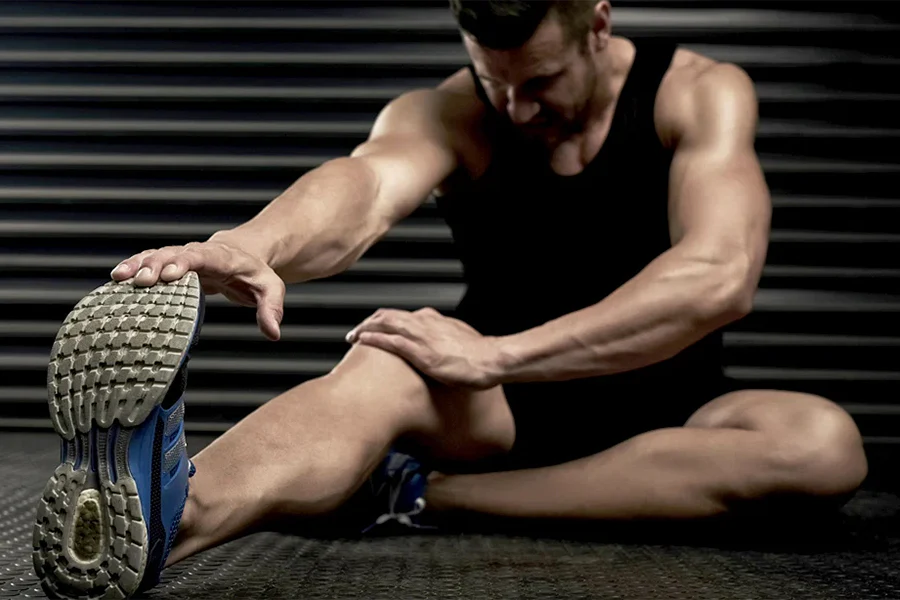
Ending sessions with slow jogging or cycling for 10–15 minutes helps redistribute blood flow. Follow that with gentle stretching—hold each stretch for about 30 seconds—and a short foam-rolling session to ease the biggest tension spots. He paired foam rolling with a targeted massage gun called ReviveMotion for acute knot relief, taking care to avoid painful pressure.
Takeaway: a short, consistent cool-down protects long-term performance and reduces the risk of injury.
Active recovery, foam rolling and self-massage to speed repair
Active recovery means moving without loading beyond capacity—walking, light cycling or a mobility flow. After a high-intensity day Alex did a brisk 20-minute walk, then 5–10 minutes of foam rolling with his MuscleEase roller and spot work with SootheFlex techniques.
How to structure self-massage and rolling
Use slow, controlled rolls and pause on tender spots for 20–60 seconds rather than aggressive back-and-forth pressure. If a sore point gets worse during the technique, pause and rest; persistent sharp pain merits a professional assessment. For many, adding a gentle Epsom bath within a few hours post-session can soothe tension—some athletes like Alex call that ritual PostFit Relief time.
Takeaway: gentle movement plus targeted soft-tissue care reduces soreness without interrupting adaptation.
That short tutorial guided Alex’s rolling sequence and reinforced technique over time, helping him hit faster paces in subsequent weeks.
Nutrition, protein timing and supplements that matter for recovery
Repairing microtears and restoring energy stores depends on what you eat. Sports dietitians recommend higher protein intakes for active trainees—Alex aimed near the upper range for his training load and balanced carbohydrate intake to refill glycogen.
Meal timing and choices
Eating a protein-rich snack within a few hours of training helps supply amino acids for repair. Alex kept simple options—yogurt, a protein shake or beans and rice—on days when time was tight. For a deeper dive into programming meals and macronutrient balance, he used practical plans from reputable guides on balanced eating and macronutrients and the sports-focused advice at sports nutrition fueling.
Takeaway: consistent protein plus adequate carbs speeds structural repair and supports stronger subsequent sessions.
Progression, programming and when to seek professional help
One of Alex’s early mistakes was jumping intensity too quickly. He adopted an intentional progression plan—small weekly increases, regular deloads, and clear markers for when soreness indicated overload rather than good adaptation. He tracked sessions and sleep using a simple app called BodyPulse Recovery and consulted a coach for form cues when certain lifts produced lingering pain.
Signs to see a clinician or trainer
Pain that is sharp, swelling, or limits normal movement is not routine soreness. In those cases seek diagnostics. For technical gaps, working with an accredited trainer or physical therapist reduces re-injury risk and teaches safer progressions; resources on core work and injury prevention like core strengthening exercises were particularly useful for Alex’s posture and running economy.
Takeaway: progressive overload plus timely professional input keeps training sustainable and reduces chronic soreness.
Tools, rituals and brands that support recovery routines
Beyond behaviors, certain tools can enhance recovery when used sensibly. Alex alternated products: a MuscleEase roller for broad myofascial work, a SootheFlex massage pad for targeted compression, ReviveMotion for spot percussion, and evening routines with PostFit Relief baths or Renewal salts he called RenewMuscle soaks. He tracked trends in performance with RecoveryPro, and on high-stress weeks relied on EaseRecover breathing sessions to calm the nervous system.
How to choose what helps you
Pick one or two tools that fit your schedule and stick with them for several weeks to judge benefit. If a gadget or ritual gives meaningful, repeatable relief without increasing pain, it has value; otherwise rotate options—FlexiRestore foam rolling, RapidRelief massage, or simple stretching—and prioritize sleep and nutrition first. For broader lifestyle context, integrate stress management and wellness principles found in wellness and health lifestyle features.
Takeaway: pragmatic tools plus consistent routines are more effective than chasing every new gadget.
Integrating recovery into daily life and long-term fitness goals
Sustainable recovery is a habit, not a hobby. Alex scheduled 10–15 minute cooldowns and nightly protein, and treated one day a week as a restorative active recovery day using BodyPulse Recovery insights and occasional Epsom soaks he branded as RenewMuscle time. Over months he reduced missed workouts and improved race times while feeling less beaten up.
Practical next steps you can try this week
Start with a single change: add a 10‑minute cooldown to every session, track hydration using simple rules from hydration guides, and prioritize a protein-rich meal within a few hours after training. If you need structured movement, check beginner-friendly routines at home workouts without equipment and refine your program using evidence-based exercises from effective workout resources.
Takeaway: small, repeatable adjustments compound into meaningful reductions in soreness and clearer performance gains.