
When the Morgans decided to redesign their daily life, they didn’t hire a coach or overhaul everything at once — they started with a few steady habits that fit into school runs, work shifts and weekend plans. Over several months their small changes — cooking together twice a week, a post-dinner walk, screen-free Sundays and a shared gratitude jar — produced measurable shifts: calmer mornings, better sleep for the kids and fewer sick days. These shifts illustrate a simple truth: family wellness grows fastest through consistent, realistic routines that everyone helps design. This article maps practical strategies that work in real homes, from meal planning and hydration to movement and mental health, and it connects those tactics to reliable resources for families seeking guidance. Expect concrete examples, a running case study with the Morgans, and pointers to trusted content like meal planning guides and hydration advice so you can adapt each idea immediately. Whether you live in a compact city flat or a sprawling suburb, these approaches—rooted in empathy, routine and small wins—help cultivate a home where everyone can thrive.
En bref : Shared meals improve nutrition and connection; 30 minutes of movement boosts mood and heart health; consistent sleep protects learning and behavior; regular check-ups catch problems early; tech-free time and gratitude practices strengthen FamilyVitality and emotional resilience. For recipes, supplements and planning tools, consult resources like the meal planning tips and a practical nutritional supplements guide.
Building family wellness habits at home that actually stick
The Morgans began by asking a single question at dinner: “What small change would make tomorrow easier?” That low-pressure approach led to a rotating roster of tasks and one rule: everyone participates. Ownership creates motivation, and involving children in decisions turns chores into shared goals.
Start with achievable targets, such as adding one extra vegetable at dinner three times a week or walking together after supper twice weekly. Linking new habits to existing routines — for example, making hydration part of homework time — helps habits embed faster. The key insight: small, repeated actions beat occasional grand gestures.

Designing a family wellness plan everyone agrees on
Use a family meeting to list priorities: sleep, food, movement and mood. The Morgans created a simple chart of weekly commitments visible on the fridge so progress became part of conversation rather than a lecture. This democratic approach builds buy-in and reduces resistance.
Pair goals with supports: set alarms for bedtimes, assign a “hydration captain” for refilling bottles, or schedule appointments in a shared calendar. When goals are concrete and shared, they become social contracts. Insight: a co-created plan turns intentions into sustainable routines.
Practical mealtime strategies that nourish bodies and bonds
Family meals are prime opportunities for health and connection. Rather than overhauling menus, the Morgans focused on improving one meal at a time and inviting kids into the process. Children who help prepare meals are more likely to eat what they’ve made — a behavioral win that supports both nutrition and responsibility.
For families juggling work and school, batch-cooking and simple templates (grain + veg + protein) reduce decision fatigue. For more structured guidance on recipes and grocery lists, explore resources like the meal planning tips and practical articles on supplements at the nutritional supplements guide. Insight: consistent, family-centered mealtimes build HealthyHabits Hub routines.
Handling picky eaters and making meals joyful
Patience and presentation often work better than pressure. The Morgans introduced new foods alongside favorites, used colorful plates and invited kids to rate dishes with smiley stickers. Over weeks, reluctant tasters became curious eaters.
Keep conversation positive and device-free at dinner. Mealtime becomes an experiment in taste and storytelling when phones are set aside. Final thought: meals framed as shared experiences, not battlegrounds, nurture long-term curiosity.
Moving together: simple activities that boost energy and mood
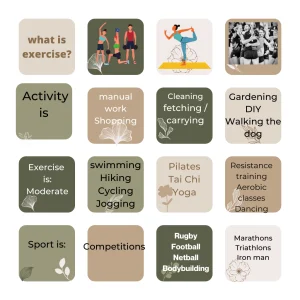
Exercise does not require a gym membership. The Morgans established daily movement windows: a brisk walk after dinner, weekend bike rides and a living-room dance party on rainy days. These activities respected different fitness levels while keeping the family active.
Small doses matter: aim for at least 30 minutes a day of moderate activity distributed across family members. For guidance on overcoming inertia, consult resources about motivation like the overcoming fitness barriers. Insight: consistent, enjoyable movement strengthens ThriveTogether bonds and long-term health.
Making activity part of daily life
Turn chores into movement — carry groceries together, walk for short errands, or make a game of tidying. The Morgans scheduled “active homework” where kids stretch between assignments to reset attention and reduce screen fatigue.
Use public spaces creatively: libraries, parks and community centers often host low-cost family activities. Insight: movement that fits life beats idealized exercise plans.
Sleep, screens and creating a calm home environment
Sleep was a major turning point for the Morgans. By establishing predictable bedtimes and a wind-down routine that removed screens 60 minutes before lights-out, evenings became less fraught and mornings smoother. Children and teens often need more sleep than adults, so household expectations were adjusted accordingly.
Create a soothing bedroom atmosphere with low lights, quiet activities and consistent schedules. When screens are limited before bed, sleep quality improves and emotional regulation follows. Insight: prioritizing sleep is a foundational act of BrightRoots Health.
Simple steps to reduce evening screen tension
Set a shared “power-off” time and replace screen minutes with reading, puzzles or a calm family chat. The Morgans found that a nightly ritual — a short gratitude round followed by soft music — helped everyone detach from the day.
These routines also support mental health by lowering arousal before sleep. Key insight: screen boundaries create breathing room for family connection.
Hydration, preventive care and small medical steps that matter
Hydration and routine health visits are two often-overlooked pillars of home wellness. The Morgans kept water bottles visible and used a colorful tracker for daily intake, which made hydration a family habit rather than a chore. For facts on water and wellness, read more about the importance of hydration.
Schedule regular preventive appointments — pediatric visits, dental checks and vision screenings — and use telehealth when appropriate. For older family members, incorporate guidance from resources on longevity like healthy aging routines. Insight: small, routine health actions reduce big problems later.
Medication safety, home hygiene and emergency readiness
Store medicines up high, keep a stocked first-aid kit and test smoke detectors regularly. The Morgans practiced a monthly safety check, turning preparedness into a quick habit rather than an overwhelming task.
Maintaining a clean, uncluttered space also reduces stress and injury risk. Final thought: prepared homes protect peace of mind.
Emotional wellness: conversations, gratitude and mental fitness
Emotional habits power family resilience. The Morgans created a weekly “check-in” where each person named one win and one worry. That ritual normalized sharing and taught children how to label feelings.
Introduce short mindfulness practices — three deep breaths, a brief gratitude sentence or a tactile game for younger kids. For routines that lift mood daily, see suggestions about daily routines to lift mood. Insight: regular emotional practice creates a HarmonyHealth Family atmosphere.
When to seek professional support
If stress, sleep disruption or mood changes persist, consult a healthcare professional. Early support often prevents escalation and keeps families functioning well. The Morgans reached out to a family counselor when transitions became tense and found new tools to communicate.
Remember: asking for help is part of strong parenting, not a weakness. Key insight: timely support keeps families resilient.
Putting it all together: small systems for lasting change
Effective family wellness is less about perfection and more about systems that make healthy choices easy. The Morgans paired visible reminders, shared responsibilities and short rituals to keep momentum. They adopted community resources and named their approach: the WellnessNest plan, which included weekend nature walks, family cooking nights and a gratitude jar.
Branding your family routines — whether you call them HomeHealth Heroes, FamilyVitality sessions or a HealthyHabits Hub challenge — can make them playful and sticky. Use resources, celebrate small wins and adapt over time. Final insight: carefully chosen routines create a PurelyHome Wellness environment where NurtureNest values thrive.
For further reading and practical links the Morgans used, explore resources on supplements, planning and motivation such as the nutritional supplements guide, the meal planning tips, the importance of hydration, strategies for overcoming fitness barriers, advice on healthy aging routines and ideas for daily routines to lift mood. These resources can help your own family craft a VivaWell Family approach and join the growing movement toward BrightRoots Health and ThriveTogether living.