
Reading a food label should feel like gaining clarity, not decoding a puzzle. Walk into any grocery aisle and you’ll face bold claims, tiny print and ingredient names that sound more like chemistry than dinner. This piece follows Maya, a busy parent and teacher who learned to use simple label-reading techniques to choose meals that fit her family’s health goals. By focusing on the product name, serving size, and the first few ingredients, Maya stopped getting fooled by flashy packaging and began saving time and money while improving nutrition at dinner. Along the way she tested several digital helpers—apps such as NutriDecode and services like LabelWise—and discovered that understanding front-of-package claims and nutrient density matters more than trendy buzzwords. This article breaks down each part of a food label, explains common tricks like serving-size manipulation and hidden sugars, and offers concrete steps to compare products quickly. Expect real examples, an ongoing case study with Maya, and practical insights that will help you shop with confidence and eat more nutritiously.
En bref: Check the product name to avoid misleading labels; compare serving size to the portion you eat; read the ingredient list first—ingredients are listed by weight; watch for hidden sugars under many names; use %DV to spot nutrients to limit (5% rule) or prioritize (20% rule); trust certified seals like USDA Organic when environmental or production standards matter; use tools such as NutriClarity or SmartLabel Decode to speed decisions.
Decoding the product header: name, net weight and brand claims for smarter choices
The words at the top of the package are not just marketing — they define what you’re actually buying. A product called “orange-flavored drink” can legally contain little or no juice, while “orange juice” must meet specific expectations about its contents. Maya once bought a box labeled “multigrain” that was mostly refined flour; the clear lesson was to always check the ingredient list behind the headline.
Net weight and manufacturer details are practical clues. Net weight helps you compare cost-per-serving, and the manufacturer’s contact can be vital for questions or recalls. Brands like EatSmart Labels and LabelSense have emerged to help interpret these headlines, but a quick habit of verifying the name against the ingredient list is the most reliable step.
Insight: Always let the product name guide your expectations, then confirm with the ingredient list to avoid being misled.
Understanding the ingredient list: order, allergens and hidden sugars
The ingredient list is the clearest snapshot of what a product is made of because ingredients are listed by weight. If sugar appears first, the product will be mostly sugar by mass. Maya learned this the hard way when a breakfast cereal labeled “whole grain” turned out to list high-fructose corn syrup before any whole grains.
Problem: disguised sugars and additives
Manufacturers often hide sugar under many names such as fructose, dextrose, or maltodextrin, making it harder to spot how sweet an item truly is. Additives and preservatives can also be buried in long chemical names that sound harmless but indicate heavy processing.
Solution: read for weight and familiar names
Start by scanning the first three ingredients to understand the base of the product. Look for obvious allergens listed in bold or separated lines and flag any mention of partially hydrogenated oil—a clue that trans fats may be present even if the nutrition panel says “0 g.”
Example from Maya: how she switched a family favorite
Maya replaced a snack bar that listed sugar first with one that listed oats and nuts first, cutting added sugar without sacrificing convenience. She also began using a label-scan tool called FoodTruth to compare similar products faster.
Insight: The ingredient order tells the real story—use it to prioritize whole-food-based options and avoid disguised sugars.
Navigating the Nutrition Facts panel: serving size, calories and % Daily Value
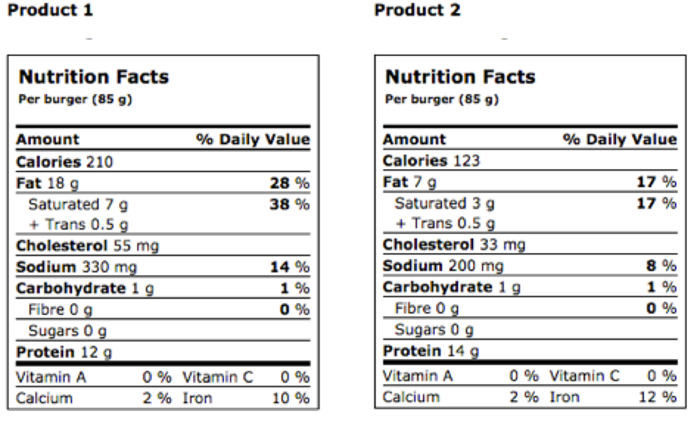
The Nutrition Facts panel is the product’s nutritional report card. Serving size drives every number on that panel, so compare it to what you actually eat. If a container shows two servings but you eat the whole package, multiply calories and nutrients by two to get the real intake. Maya once misjudged a salad dressing serving and ended up consuming far more calories and sodium than she expected.
% Daily Value (%DV) is a fast way to judge whether a food is low or high in a nutrient. Use the simple rule: choose nutrients to limit with a %DV of 5% or less, and nutrients to encourage with a %DV of 20% or more. This method helped Maya select a canned soup that was genuinely lower in sodium.
Focus: fats, sugars and fiber
Not all fats are equal. Aim to limit saturated and avoid trans fats, while recognizing that unsaturated fats from nuts and olive oil are beneficial. Total sugars combine natural and added sugars, so check the ingredient list for sources of added sugar. Dietary fiber is a positive attribute—adults generally benefit from 25–34 grams of fiber daily, and higher fiber content on the label supports fullness and heart health.
Practical toolset
Use quick digital helpers like NutriClarity or SmartLabel Decode to scan barcodes and receive an instant breakdown. For deeper context about common misconceptions, review articles addressing common nutrition myths which help separate fad claims from useful guidance.
Insight: Start with serving size and %DV—this gives fast clarity on whether a product helps or hinders your dietary goals.
Front-of-package claims and certifications: what to trust
Front labels shout benefits—“low fat,” “high fiber,” “100% natural”—but not all claims are equal. Regulated nutrient content claims like “low fat” or “reduced sodium” meet specific criteria, while vague terms such as “natural” may not be strictly regulated. Certifications like USDA Organic or independent verifications give you a stronger guarantee.
Maya learned to read beyond buzzwords by checking for meaningful seals and looking up the certification standards. When sustainability mattered to her family, she chose products with recognized marks rather than ambiguous green claims.
When marketing misleads
Products often highlight a single nutrient to distract from others—cereal “high in fiber” but loaded with sugar is a common example. This tactic is part of the reason services like LabelSense and EatLabel Insights have grown: they evaluate whole-label context rather than single claims.
Practical anchors: balance nutrition and lifestyle
Remember that food choices are influenced by stress, routine, and habits. For holistic health advice that ties label-smart shopping to broader wellbeing, explore healthy lifestyle tips and practical guides on essential wellness steps. If stress impacts your food choices, resources on natural stress relief methods and mindfulness strategies for stress can help you make calmer, healthier decisions at the supermarket.
Insight: Trust regulated claims and recognized seals; view front-of-package messages as conversation starters, not definitive proof of health.
Putting it all together: quick shopping routine and real-world examples
Create a simple routine: confirm the product name, check the first three ingredients, compare serving size to your typical portion, and use %DV to spot nutrients to limit or add. Maya started using this four-step check on every new product and within weeks had reduced added sugar and sodium in her weekly grocery basket.
When comparing two similar items—say two peanut butters—Maya looked for the jar with peanuts listed first, no added sugar, and the shortest ingredient list. She used a label-scanning app called TrueBite Info once a week to validate choices, and occasionally cross-checked manufacturers’ websites for full ingredient sourcing through services like EatSmart Labels.
For heart-healthy swaps focusing on saturated fat and sodium, reliable guidance is available in clinical advice such as cardio health advice, which helped Maya adjust her family’s weekly meal plan.
Insight: A repeatable, short routine turns label reading into an efficient habit—small changes add up to meaningful health gains.