
Our hearts respond best to steady, sensible movement — not extremes. In this piece you’ll find a practical roadmap for strengthening cardiovascular health with activities anyone can fold into daily life, whether you live in a city apartment or a leafy suburb. Preventive cardiology and cardiac rehab experts stress that consistency, gradual progression, and varied stimulus are the real game-changers; they beat sporadic high-intensity binges. We follow Maya, a 52‑year‑old primary school teacher, who started with short brisk walks after work and, over six months, built a routine that reduced her resting pulse, improved sleep, and lowered abdominal fat. Along the way she tested programs labeled HeartFit and interval-style sessions branded CardioPulse, then blended them with resistance work marketed as PulsePro to keep progress balanced. This article translates clinical guidance into daily practice: why movement matters, which workouts deliver the most cardiovascular benefit, how to measure intensity safely, and how recovery, hydration and sleep multiply gains. You’ll also find concrete next steps Maya used — how she started, progressed, and monitored outcomes — so you can borrow the plan that fits your life rather than chasing a template that doesn’t. Read on to learn how to use brisk walking, cycling, swimming, strength training and interval sessions to make your heart more resilient and your energy more consistent.
En bref: Consistency over intensity; mix aerobic and strength; measure progress with heart rate and recovery; support gains with sleep, hydration, and nutrition; start small and build.
Best cardio workouts for heart health: walking, cycling, swimming and more
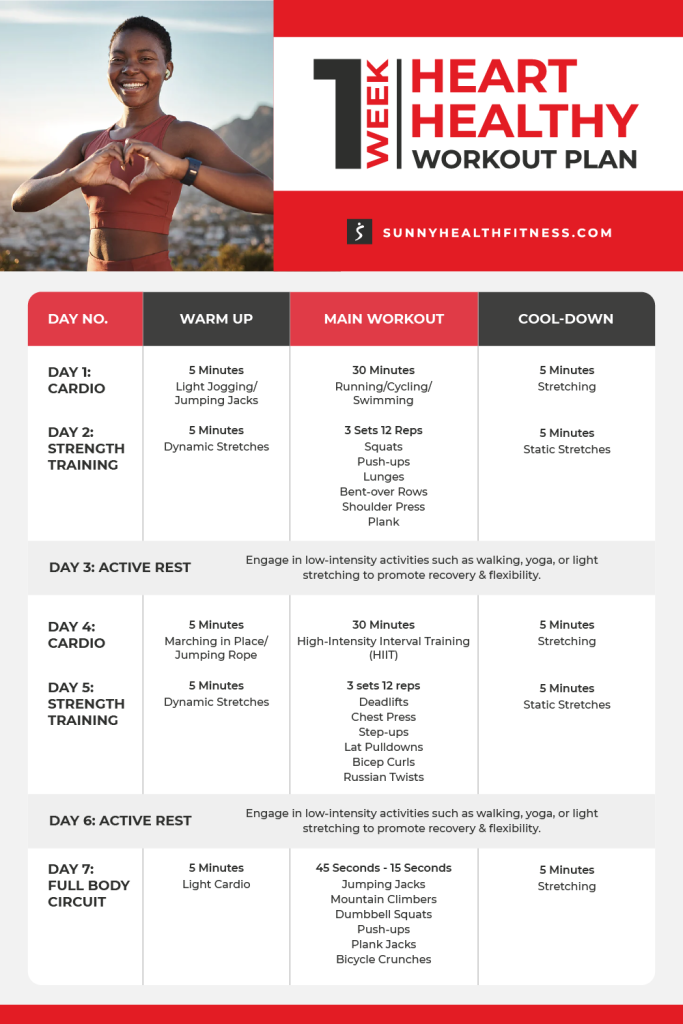
Cardiologists and rehabilitation specialists agree that the most accessible path to better heart health is regular aerobic movement. Brisk walking, for instance, raises heart rate without joint strain and is easy to sustain; many adults find 30 minutes most days delivers measurable benefits in blood pressure and cholesterol control.
Cycling and swimming offer low‑impact alternatives that engage large muscle groups and increase aerobic capacity, while interval work like short bursts of effort followed by recovery trains the heart to adapt quickly. Strength training complements cardio by reducing visceral fat and improving metabolic rate, creating a twofold effect on cardiovascular risk. Together these modes form a practical toolkit — branded options such as EnduroBeat and CardioCore represent interval and resistance blends that work equally well when done simply at home.
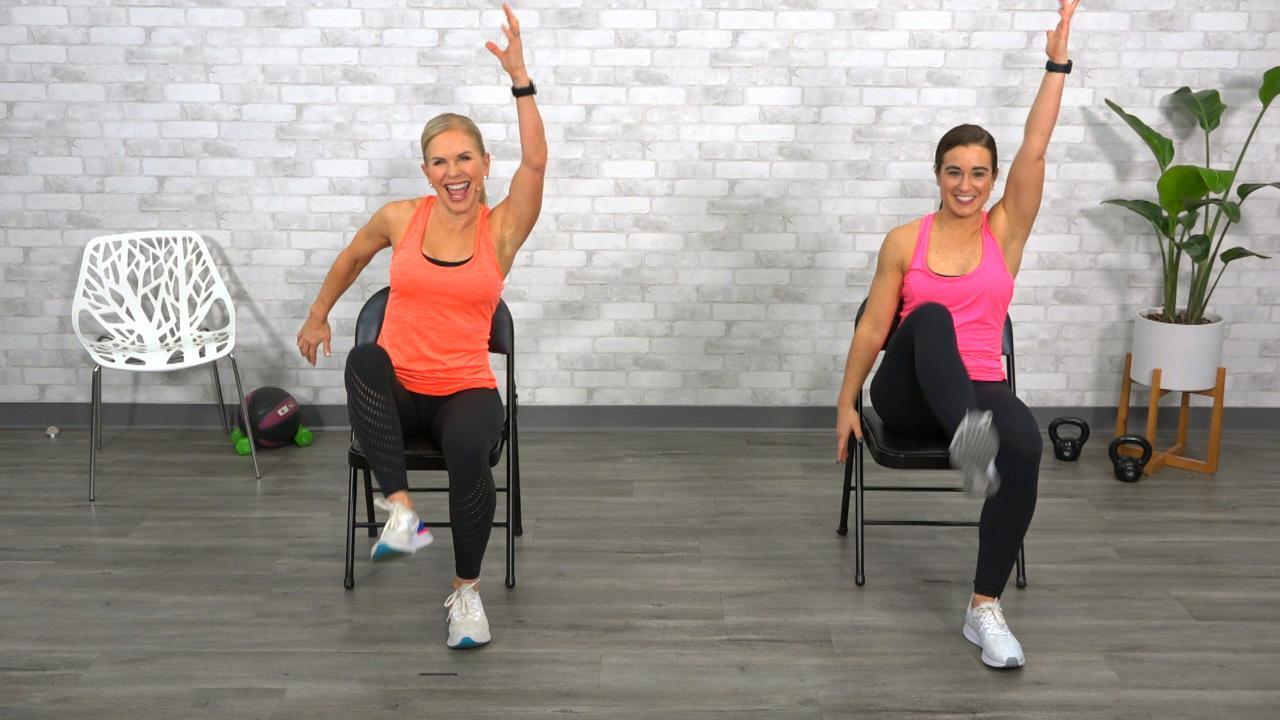
How brisk walking and cycling change the heart — practical steps and Maya’s example
Problem: Many people underestimate walking because it seems easy, yet sedentary habits persist. Solution: Increase pace and add purposeful intervals; Maya began with three 10‑minute brisk blocks after lunch and gradually combined them into a single 30‑minute session. Example: After eight weeks her average walking pace rose and resting heart rate dropped, signaling improved cardiovascular efficiency.
To make cycling effective, focus on maintaining a cadence that raises breathing but still allows conversation; alternate steady rides with one shorter interval session weekly. For beginners, resources like beginner fitness tips help structure progression without overload. Insight: small, consistent increases in duration and intensity produce durable heart gains.
Interval training and strength work: boosting efficiency and metabolic health
Interval training compresses cardio benefits into shorter sessions by alternating high effort with recovery. That stimulates both aerobic and anaerobic systems, improving how the heart responds to sudden demands and enhancing insulin sensitivity — a key factor in reducing cardiovascular risk.
Strength training builds lean muscle that elevates basal metabolic rate and lowers visceral fat. Maya added two 30‑minute full‑body resistance sessions weekly using bodyweight and resistance bands; this combination improved her glucose control and made daily tasks feel easier. For programs that help set goals and track progress, consider curated plans like those described in fitness goals strategies and weight management strategies. Insight: pairing intervals with regular strength work multiplies cardiovascular and metabolic benefits.
Measuring intensity safely: heart rate, perceived exertion and recovery markers
Problem: People either push too hard or not hard enough because they lack simple metrics. Solution: Use a mix of heart‑rate zones, the Rate of Perceived Exertion scale, and recovery indicators like resting heart rate and sleep quality. Example: Maya used a basic heart‑rate monitor to keep most aerobic sessions in a moderate zone and reserved HIIT for two weekly sessions; her recovery improved and workouts felt progressively easier.
Monitoring recovery matters as much as the workout itself; persistent fatigue, elevated resting pulse, or mood changes signal the need to dial back. Tools and articles about practical workout plans and tracking can be found under effective workouts. Insight: consistent measurement prevents overtraining and ensures steady progress.
Recovery, hydration, sleep and nutrition: the lifestyle pillars that protect the heart
Exercise is potent, but its benefits are amplified or blunted by everyday choices. Adequate hydration supports blood volume and performance, so follow simple hydration guidance before and after sessions. Nutrition that emphasizes whole foods, fiber and healthy fats helps regulate lipids and blood sugar; practical tips for meal planning are available through nutrition guidance.
Sleep is the unsung partner of training: short or fragmented sleep undermines recovery and raises cardiac risk. Programs that pair workout routines with recovery strategies, including advice on sleep and recovery, help maintain consistent gains. Maya found that prioritizing 7–8 hours and adjusting late‑evening intensity improved both her energy and heart-rate variability. Insight: recovery practices are as essential as the workouts themselves.
Adapting exercise for older adults and people with heart conditions
Problem: Older adults and people with existing cardiac conditions often fear exercise. Solution: Individualized, physician‑guided plans that emphasize low‑impact aerobic work, supervised strength training, and gradual progression reduce risk and improve outcomes. Example: Maya’s father, aged 72, joined a community program aligned with healthy aging tips and started pool walking plus light resistance work; within months he reported better mobility and blood-pressure control.
Programs labeled HeartStrong, BeatBoost and VitalStride may appear as branded offerings, but the core principles are universal: start small, measure response, and prioritize safety. For a broader wellness framework that combines movement, prevention and lifestyle, see this wellness checklist. Insight: safe, tailored exercise improves longevity and quality of life when supervised and scaled appropriately.
Putting it together with a simple 4‑week starter plan for sustained progress
Start week one with daily 10–15 minute brisk walks, two short resistance sessions, and one session of light intervals; each week add 5–10 minutes or increase effort slightly. Track subjective recovery, resting heart rate, and sleep as your primary feedback loop, and use resources for beginners and goal setting to stay on target.
Programs like CardioFlow and HeartWave are useful as labels, but the real success comes from blending consistent aerobic work, twice‑weekly resistance, and recovery practices into your weekly rhythm. Insight: the single most effective habit is showing up regularly and adjusting based on how your body responds.