

Plant-based diets are no longer a fringe movement: they represent a major shift in how people think about health, environment and food ethics. In cities and rural areas alike, initiatives such as GreenFeast — a small food-tech startup led by Maya, a city dietitian — show how meal planning, community kitchens and educational workshops can turn botanical ingredients into everyday staples. Recent research and public interest in 2025 underscore measurable benefits for cardiovascular risk, weight control and environmental footprints, while also highlighting practical gaps in nutrient coverage that require deliberate planning.
This article examines the science, the social dynamics and the real-world solutions that make plant-first eating both powerful and pragmatic. Through case studies, actionable tips and trusted resources, readers will find ways to harness PlantPower and PurePlantFuel approaches without sacrificing taste, culture or nutritional adequacy.
Whether you’re curious about reducing LDL cholesterol, improving metabolic health, or lowering food-system emissions, this piece offers clear pathways to adopt plant-forward habits sustainably.
In brief — key takeaways: Health gains: links to lower heart disease and diabetes risk; Practicality: budget-friendly staples like lentils and oats can replace expensive substitutes; Nutrients to monitor: B12, iron, calcium and DHA/EPA require attention; Social tips: gradual transition and community support work best; Resources: trusted guidance and meal-planning tools speed safe adoption.
Health advantages of plant-based diets: cardiovascular and metabolic benefits
Plant-forward eating patterns tend to be rich in fiber, antioxidants and unsaturated fats, which together contribute to lower LDL cholesterol and improved vascular function. Large cohort analyses and meta-analyses up to 2025 report consistent associations between plant-centric diets and reduced incidence of type 2 diabetes and certain cancers, particularly colorectal and breast cancer.
For people like Maya’s clients at GreenFeast, shifting two to four meals per week toward whole grains, legumes and vegetables produced meaningful weight loss and improved biomarkers over months, when combined with basic cooking education. These findings align with recent summaries of nutrition advances; for a broader view on emerging discoveries consult health breakthroughs in nutrition. Lower cardiometabolic risk is a consistent, evidence-backed benefit of well-planned plant-based diets.
How plant diets support weight management and satiety
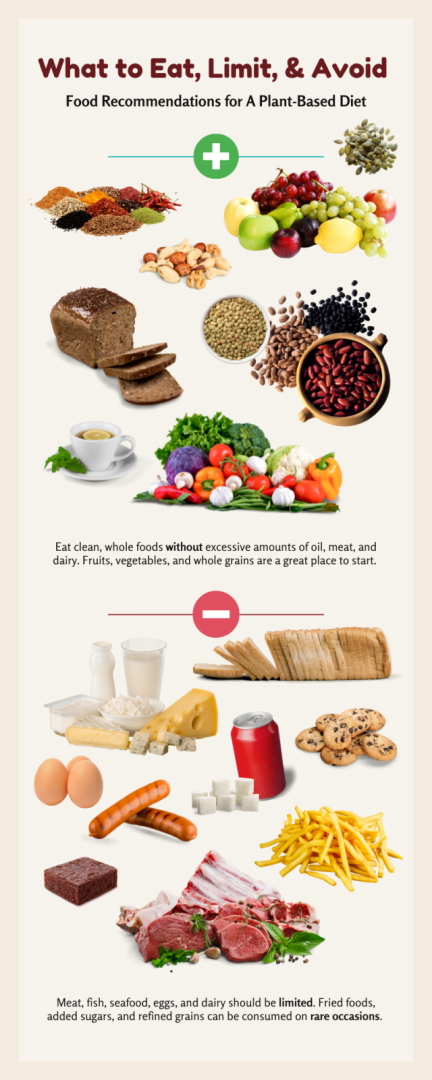
High-fiber foods promote fullness and often reduce overall calorie intake without intentional restriction, which helps with sustainable weight control. Programs that emphasize whole foods rather than ultra-processed plant products show better long-term adherence and metabolic outcomes.
For practical advice on weight control within plant-based patterns see plant-based weight management strategies. Fiber-rich whole foods are the cornerstone of effective, long-lasting weight management on plant-based plans.
Key nutrient challenges and smart solutions for balanced plant-based nutrition
Adopting a plant-based diet can create shortfalls if not planned: the most common concerns are vitamin B12, iron (bioavailability), calcium, iodine and long-chain omega-3s (DHA/EPA). Fortified foods and targeted supplementation are effective, evidence-based responses to these gaps.
Maya’s clinic at HerbivoreHub uses a simple checklist: include legumes and mixed grains for protein, choose fortified plant milks for calcium and B12, and add algae-based DHA for omega-3 coverage when needed. For broader public-health perspectives and practical meal plans, readers can review curated resources such as wellness and public health insights. Planned supplementation and fortification preserve nutrient adequacy while keeping diets predominantly plant-based.
Iron, protein quality and culinary strategies
Plant iron is less bioavailable than heme iron, but pairing iron-rich foods (lentils, tofu, pumpkin seeds) with vitamin C sources markedly improves absorption. Combining complementary proteins across meals ensures adequate essential amino acids without needing animal products.
Examples from VeggieVantage meal plans show how simple swaps—quinoa for white rice, bean stews with citrus—improve both nutrient density and flavor. Strategic food pairing and variety solve most micronutrient and protein concerns on plant-based diets.
Practical adoption: cost, accessibility and cultural fit for plant-based living
Economic and geographic barriers affect access to fresh produce and plant proteins. Yet many communities successfully scale affordable models using staples like beans, oats, seasonal vegetables and frozen produce to minimize cost while maximizing nutrition.
Initiatives such as community kitchens and subscription meal kits from local startups like LeafyLife and BotaniBalance demonstrate that affordability and convenience can coexist. For pragmatic meal-planning and stepwise transition tips, explore practical weight-management tips. Accessible staples and community programs make plant-forward eating realistic across income levels.
Social dynamics, culture and stepwise transition methods
Food is deeply social; changing patterns may challenge family traditions and social rituals. Maya’s anecdote: she introduced plant-forward versions of holiday dishes that preserved flavor and ritual, which eased acceptance among relatives.
A gradual approach—such as adopting Meatless Mondays, swapping one meal per day, or using familiar flavors—reduces friction. Tools from community networks like NatureNourish and engagement with platforms such as VeganVitality help sustain behavior change. latest wellness research also supports gradual, culturally sensitive strategies. Slow, culturally aware transitions foster lasting adoption of plant-based habits.